MND Information
MND Treatment and Care
Motor neurone disease (MND) is a progressive neurological condition that currently has no cure. However, treatments and care options are available to help manage symptoms, slow disease progression, and improve quality of life. For Victorians living with MND and their families, understanding these treatment options and available support resources can make a meaningful difference. Here, we explore approved medications, symptom management, and care strategies for those affected by MND.
Medication for MND
Riluzole
Riluzole is a widely-available medication approved in Australia specifically for the treatment of Amyotrophic Lateral Sclerosis (ALS), the most common form of MND. Riluzole (available under brand names like Rilutek™ and APO-Riluzole, and in liquid form as Teglutik) has shown promise in slowing the progression of ALS, offering patients some extended time and helping to maintain quality of life in the milder stages of the disease.
Riluzole is believed to work by reducing levels of glutamate, which is a neurotransmitter that carries signals between nerve cells and, when in over-production, is suggested to contribute to motor neuron deterioration, and thereby, MND. While its exact mechanism is not fully understood, the medication appears to help slow the progression of ALS, thereby extending life by an average of 6 to 19 months. Patients who begin Riluzole treatment earlier in the disease trajectory tend to experience the greatest benefit. However, people’s responses to the medication can vary, and it’s not possible to predict precisely how effective it will be for each person.
Riluzole is available on the Pharmaceutical Benefits Scheme (PBS) in Australia, but certain eligibility criteria must be met. A Neurologist usually prescribes Riluzole initially, with general practitioners able to provide subsequent prescriptions.
The medication has been shown to:
- Extend life expectancy by 6 to 19 months on average
- Slow disease progression, helping patients remain in milder stages longer
- Improve quality of life by reducing symptoms associated with ALS
As with any medication, Riluzole may have side effects. Common side effects include:
- Weakness
- Nausea
- Mild liver dysfunction
- Headaches
To monitor for side effects, doctors may recommend regular blood tests to check liver function and ensure there are no unrecognised adverse effects. People taking Riluzole should consult their Neurologist for guidance on managing any side effects and ensuring the treatment’s suitability over time.
For more information please contact your neurologist, telephone the Riluzole hotline on 1800 005 858, or download the National MND Association's Riluzole fact sheet.
Edaravone
Edaravone is the active ingredient in a treatment sold under the product name RADICAVA®. It was developed in Japan and originally used to treat stroke patients. In 2015 Edaravone was tested for use in people with ALS. Results suggested it slowed the progression in a small group of people with ALS, with the potential to help these people preserve function longer.
Edaravone is thought to have antioxidant properties. These properties protect nerve cells by mopping up damaging “free radicals” in the body. Research suggests Edaravone has the most benefit when used early and may slow disease progression. However, it is important to note that it is not a cure.
RADICAVA® (Edaravone) has recently been listed on the Pharmaceutical Benefits Scheme (PBS) and is now available on prescription from a neurologist for people with ALS (the most common form of MND).
RADICAVA® is administered as an intravenous infusion by a health professional, usually at an infusion clinic at either a public or private hospital. Each infusion takes approximately an hour.
In the first month of treatment, infusions must be given every day for 14 consecutive days. In subsequent months, this reduces to 10 infusions within a 14-day period, followed by 14 days of no treatment.
RADICAVA must be first prescribed within two years of symptom onset. An individual’s neurologist is responsible for determining whether the medication is indicated and for evaluating its effectiveness over time.
For more information about RADICAVA infusion, contact your neurologist or refer to the Consumer Medicine Information summary on the TGA’s website.
Toferson
In Australia, Tofersen is only available to people living with MND who carry mutations in the SOD1 gene. Biogen, the pharmaceutical company that developed the drug, has made it available through their compassionate access program.
Tofersen reduces activity of the SOD1 gene and decreases levels of the protein. It is the first gene-related therapy to be approved for treatment of MND.
To learn more, talk to your Neurologist.
Complementary Therapies for Symptom Management
Non-medical treatments or complementary therapies may help with symptom management by improving or maintaining comfort, function, and quality of life in those with MND. Here are some therapies which commonly contribute to the multidisciplinary care team and help manage the symptoms of MND:
- Physical and Occupational Therapy: These therapies play an important role in helping people maintain mobility and independence. Physical therapy (physiotherapy) can help with muscle strength and flexibility, while occupational therapy provides tools and techniques to assist with daily tasks, making it easier to manage changes in physical ability.
- Speech and Language Therapy: Many people with MND experience difficulties with speech and swallowing. Speech and language therapy (speech pathology) provides strategies for clearer communication and helps manage swallowing difficulties, making eating and drinking safer and more comfortable.
- Breathing Support: MND can eventually impact the respiratory muscles, leading to breathing difficulties. Non-invasive ventilation, such as BiPAP (Bilevel Positive Airway Pressure), is commonly used to assist with breathing in later stages. This form of breathing support can improve sleep quality, reduce fatigue, and help maintain blood oxygen levels.
- Nutritional Support: Nutrition is essential for maintaining energy and strength in MND patients. Dietitians can offer guidance on suitable food choices and textures, ensuring adequate nutrient intake despite any swallowing challenges. In later stages, feeding tubes may be introduced to help meet nutritional needs.
- Counselling and Emotional Support: Living with MND can be emotionally challenging, both for people and their loved ones. Counselling services provide a safe space to process these emotions, build coping strategies, and find support in a compassionate environment.
- Carer Support and Respite: Carers play an essential role in the care of someone with MND. Support services and respite care give carers time to rest and recharge, helping them maintain their wellbeing and continue providing care over the long term. MND Victoria’s Carer Support Program offers resources, peer support, and practical assistance to carers, enabling them to balance their own needs with their caring responsibilities.
Unproven Therapies
Costly and unproven therapies are sometimes recommended by well meaning people. People need to seek professional advice before embarking on unproven therapies. It is important to discuss the likely benefits of expensive therapy compared with, for example, changes to the home, employment of additional home assistance, or the peace of mind of the person who wishes to leave his/her family well provided for.
For more information on unproven therapies, please read MND Australia's Unproven and unapproved treatments in Australia and their Policies and Position Statements. The ALS Untangled website helps patients with MND/ALS to review alternative and off-label treatments.
Assistive Technology and Equipment
Assistive technology can help those with MND manage daily activities and retain independence for as long as possible. Equipment options available through MND Victoria’s Equipment Loan Library include:
- Mobility Aids: Devices like walking frames, manual and powered wheelchairs, and transfer aids help people navigate their environment safely and with greater ease.
- Communication Devices: Communication aids, such as voice amplifiers and text-to-speech tools, allow people to stay connected with loved ones even if speech becomes challenging.
- Daily Living Aids: Adapted utensils, grab bars, and shower chairs support independence with personal care and household tasks.
MND Victoria’s Equipment Loan Library provides access to these essential aids, helping people and families cope with the physical challenges of MND.
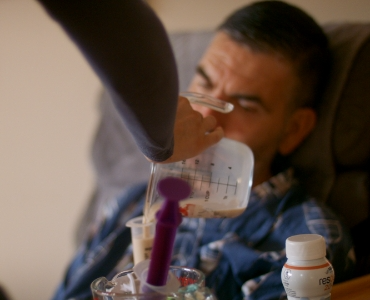
Multidisciplinary care
Learn about the diverse range of specialists in a multidisciplinary care team for MND support.
Looking after yourself
Discover self-care strategies and suggestions about how best to manage and minimise the impacts of MND.
What’s to come?
Researchers are developing and trialling other drugs to slow down the progression of the disease or combat some of the symptoms. For further information, health professionals, people with MND, and their carers need to speak to the neurologist, contact MND Victoria.

MND Treatment and Care FAQs
Currently, there is no cure for MND. However, treatments like Riluzole may help slow the progression of the disease in some people, and complementary therapies can help manage symptoms and improve quality of life.
Riluzole, the only widely-accessible medication approved for ALS in Australia, has been shown to extend life by several months and slow the progression of symptoms, particularly when started early in the disease. While not a cure, it can contribute to maintaining quality of life.
Supportive care options for MND include physical and occupational therapy, speech and language therapy, breathing support, nutritional guidance, and counselling. These therapies help manage symptoms and maintain quality of life.