Types of MND
If you or someone close has received a diagnosis of motor neurone disease (MND), it’s normal to have a lot of questions. This guide brings the types of MND, onset patterns, and stages into one place.
How nerve pathways differ
MND is an umbrella term for conditions that damage the nerve cells controlling voluntary movement.
Upper vs lower motor neurones (UMN and LMN)
- Upper motor neurones (UMN): start in the brain and send messages down the spinal cord. Typical signs when affected: stiffness, slowed movement, tight muscles, overactive reflexes, spasticity.
- Lower motor neurones (LMN): start in the spinal cord and connect to muscles. Typical signs when affected: muscle wasting, weakness, twitching (fasciculations), cramps, and weight loss.
Different motor neuron disease types involve UMN, LMN, or both. Doctors may describe a pattern as UMN-predominant, LMN-predominant, or mixed.
Clinical types of motor neurone disease
MND is classified by the pattern of nerves involved and how symptoms start. A person’s diagnoses can change as new signs appear, so reviews over time are common.
Amyotrophic lateral sclerosis (ALS)
- What it is: the most common type of MND, with both UMN and LMN involvement.
- Common first signs: limb weakness (tripping, dropping items), cramps, stiffness.
- Course: tends to spread from one region to another.
- Names you may hear: In many countries, “ALS” is used as the general name for the whole condition; in Australia and the UK, MND is the umbrella, and ALS is a subtype.
- Outlook: average life expectancy is often quoted as around 2–5 years from symptom onset, though there is wide variation, and some people live longer.
Progressive bulbar palsy (PBP) — bulbar onset MND
- What it is: starts with speech and swallowing muscles (the bulbar region); may include both UMN and LMN signs.
- Common first signs: slurred or quiet speech, voice changes, choking or coughing with food or liquids.
- Course: arms and legs may be affected later.
- Outlook: averages are shorter than limb-onset ALS, but progression speed varies a lot.
Progressive muscular atrophy (PMA)
- What it is: LMN-predominant form with muscle wasting and weakness; may start in arms (flail-arm) or legs (flail-leg).
- Notes on diagnosis: some people initially labelled PMA later show UMN signs and are reclassified as ALS.
- Outlook: often slower on average than mixed ALS; many people live more than five years.
Primary lateral sclerosis (PLS)
- What it is: UMN-predominant form causing stiffness, slowed movement, balance issues and spasticity; speech can be affected.
- Course: usually slow over many years.
- Outlook: many live 10–20+ years; care focuses on mobility, comfort and function.
MND with frontotemporal dementia (MND-FTD)
- What it is: a smaller group (often cited around 10–15%) have changes in thinking, behaviour or language alongside motor symptoms.
- How it may present: personality change, reduced motivation, disinhibition, language difficulties; in some people, cognitive symptoms appear years before motor changes.
- Care focus: early recognition helps with communication plans, decision-making and carer support.
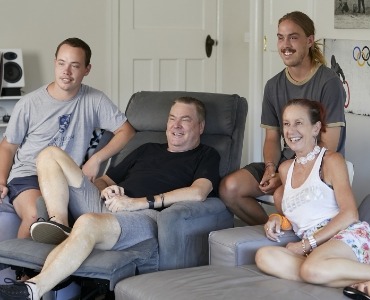
Signs and Symptoms
MND manifests differently for each person, but common early symptoms include muscle weakness, cramps or twitching, difficulty with speech or swallowing, and clumsiness or difficulty with coordination.

Diagnosis
Diagnosing MND can be challenging due to its similarities with other neurological conditions. Early diagnosis allows people and families to access support services promptly, helping them plan for care and symptom management.
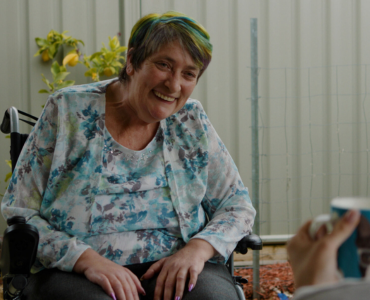
Treatment and Care
While there is no cure for MND, treatment and support services can help people manage symptoms and improve their quality of life. MND Victoria provides comprehensive support services to help people manage the impact of MND.
Onset patterns: where symptoms first show
Onset pattern isn’t a separate disease; it describes where symptoms begin.
Limb onset
- What it is: weakness starts in a hand, arm, foot or leg.
- Typical clues: tripping, frequent falls, shoulder fatigue, grip weakness.
- Associated labels: common in ALS; PMA often starts in limbs too (LMN-predominant).
Bulbar onset
- What it is: speech or swallowing problems first.
- Typical clues: slurred speech, voice changes, drooling, coughing on thin liquids.
- Associated labels: PBP and some ALS cases.
Most people find that, over time, symptoms extend beyond the first region affected.
Staging MND: early, middle and advanced
There isn’t one universal staging scale used in everyday care. Many clinics talk in simple terms to plan support.
Early stage
- Symptoms are limited to one region (limb or bulbar).
- Daily tasks are mostly manageable with tweaks and gentle pacing.
- Early contact with an MND clinic and state association is helpful.
Middle stage
- More regions involved; walking and hand function are harder.
- Aids such as walkers, wheelchairs, communication tools, and nutrition strategies become important.
- Planning for the timing of feeding tube discussions and respiratory support starts here for many.
Advanced stage
- Breathing and swallowing are more affected.
- Focus shifts to comfort, communication, nutrition, and choices around ventilation and symptom relief.
- Home modifications and carer support become central.
Types of MND FAQs
These questions are common and important.
In Australian usage, MND is the umbrella condition; ALS is the most common type within it. Why the confusion? In North America, ALS is often used for the whole condition, so articles and forums may use the terms differently.
In many everyday contexts overseas, yes — people say ALS when they mean the condition we call MND in Australia. In Australian health information, MND is the broader term.
In Australia, MND is the umbrella term for a group of conditions, and ALS is the most common type that affects both upper and lower motor neurones; other MND types include progressive bulbar palsy (bulbar onset), progressive muscular atrophy (lower motor neurone–predominant), primary lateral sclerosis (upper motor neurone–predominant), and MND-FTD, which adds changes in thinking and behaviour.
Many guides use three stages: early, middle, and advanced to explain care needs. Timelines vary from person to person, so your team will personalise support rather than fixate on a number.
It refers to bulbar onset MND (often PBP or ALS starting in the bulbar region) where speech and swallowing change first.
These phrases describe which pathway is mainly affected. In practice, they map to PMA (LMN-predominant) and PLS (UMN-predominant), while ALS shows a mix.
Signs by nerve pathway
UMN-predominant features (PLS pattern)
- Stiffness and tight muscles
- Slowed, effortful movement
- Overactive reflexes
- Balance problems and spasticity
LMN-predominant features (PMA pattern)
- Muscle wasting and weakness
- Twitching (fasciculations) and cramps
- Reduced bulk and weight loss from muscle loss
Many people show a mix of UMN and LMN features — typical of ALS.
Other ways clinicians may describe MND
Familial vs sporadic MND
- Sporadic: around 90% of cases; no clear family link.
- Familial: about 10%; a genetic pattern is present.
Genetic counselling may be offered when history suggests a hereditary link.
Body region at onset
Labels such as limb onset, bulbar onset, trunk or respiratory onset help guide monitoring and allied health referrals.

Need support?
Across the state, MND Victoria provides no-cost services for people living with MND, their families, friends and the health professionals involved in their care. Our Access and Education team offers personalised advice and practical resources to make day-to-day life easier—contact us to speak with a specialist today.