Stephen's China Travelogue
January 16, 2026
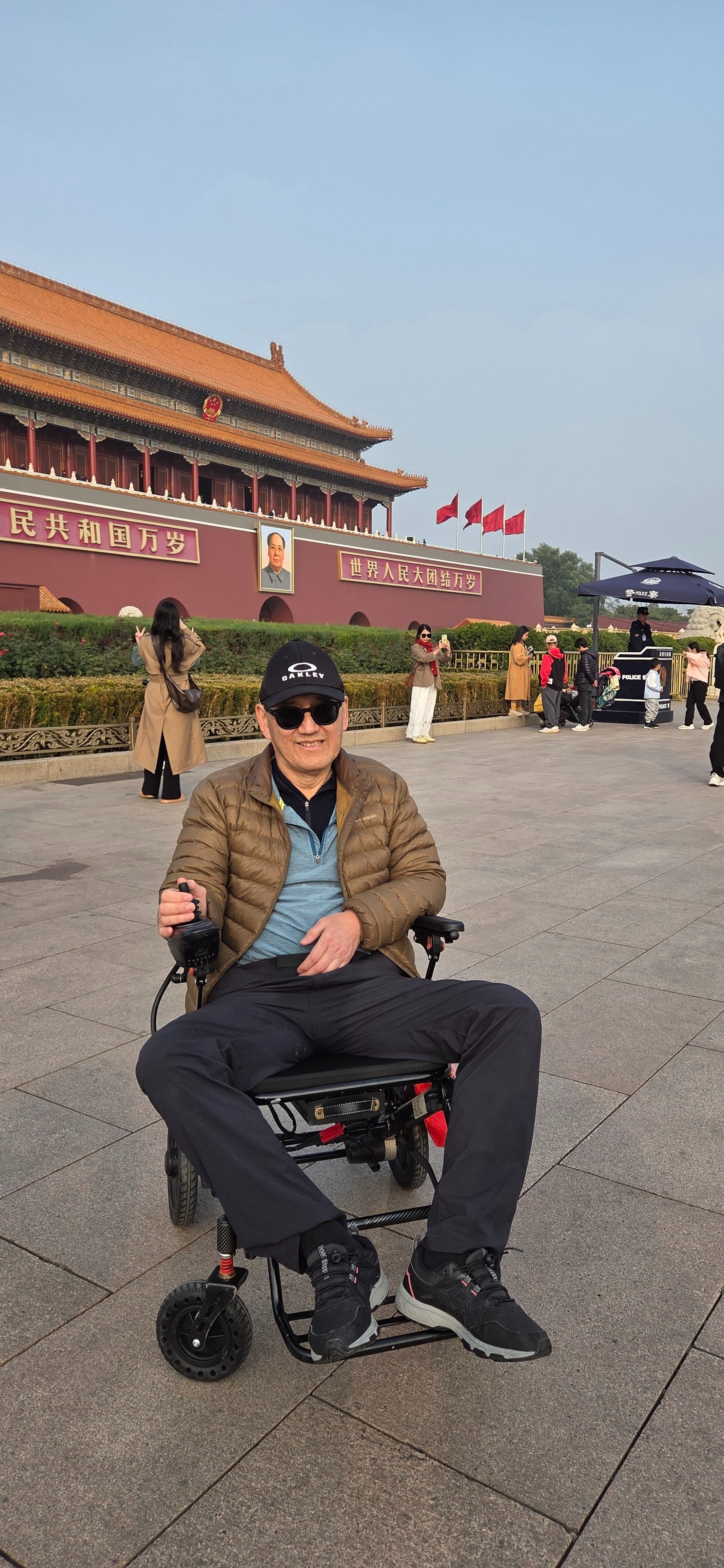
Stephen was planning a trip to China when he received his MND diagnosis. At first, he thought having MND would mean that he wouldn't be able to travel - but 6 months later, with the help of his family, he made his journey.
He shares his experience travelling China with MND.
Background
I’m a 69 year old male, married with requisite two adult children. I was diagnosed with MND in May 2025, after a couple of misdiagnoses (spinal problems, then Parkinsons). The onset feels rapid, to my way of thinking: in March I was able to walk OK; in May I was less steady but still OK; progressed to a walking stick by July and in the last 8 weeks before going on my trip I was mostly using a walker.
I had planned to go to China this year before receiving my diagnosis.
I’m ethnically Chinese, but very Aussie in outlook. My parents came out here before WW2 and got stuck here as a result. They were allowed to stay despite the White Australia policy at the time.
My first trip overseas was to China, some 45 years ago. I did a three week tour of the major sights then. Back then, China was abjectly poor. No private vehicles, no street lights, just millions of bicycles and people, usually in Mao suits. China was just opening up then and encouraging foreign tourism. We were all overseas Chinese on the tour but after three weeks of Chinese breakfast we were all hanging out for a piece of toast!
I haven't been back since so the images are fading.
Since I retired, I have watched a lot of YouTube videos about China. The contrast to what I saw back 45 years ago is unbelievable. You can see how all the raw materials produced in Australia have been used, and what has been built, and how society has changed from largely agrarian to very industrial and high tech. It looks very Western in a lot of ways and there is dual language English on signs and transport.
I wanted to see if my YouTube feed was correct and if the changes are as dramatic as they appear.
My MND diagnosis nearly put paid to my plans. But my sisters said they would accompany me to help. We then contacted several tour companies in China to arrange a relaxed tour suitable for a person with MND and difficulty walking. This was an easier process than I thought as disabled tours are a quite common request. Unfortunately, my wish to see the Avatar Mountains (as per the movie) couldn't be accommodated.
I have four sisters and a brother, and I’m the youngest. Two of my sisters and their husbands accompanied my wife and I to China, and another one of my sisters was coincidentally there at the same time.
Overview, travelling China with MND
I thought I'd start with my experiences as a person with MND and the physical challenges due to limb weakness, balance problems, voice issues etc, and how this was addressed by the airlines, hotels, tour company and the Chinese people in general.
Travelling around the tourist sights in China is challenging. These sights range from modern to ancient antiquity. Accessibility and terrain varied accordingly.
I was fortunate to have two brother-in-laws to assist the tour guides who pushed, lifted and carried me as required. It's all doable but be mindful of the terrain, your capabilities, stamina and capabilities of your companions.
Many of the ancient towns and outdoor scenic and mountain areas were not possible for me so a good tour guide is essential for planning and arranging.
People tend to be the same everywhere, although as can be expected it’s more competitive in China. The airline staff and my tour guides were generally outstanding in helping me. English is a bit hit or miss but Google Translate works, mostly.
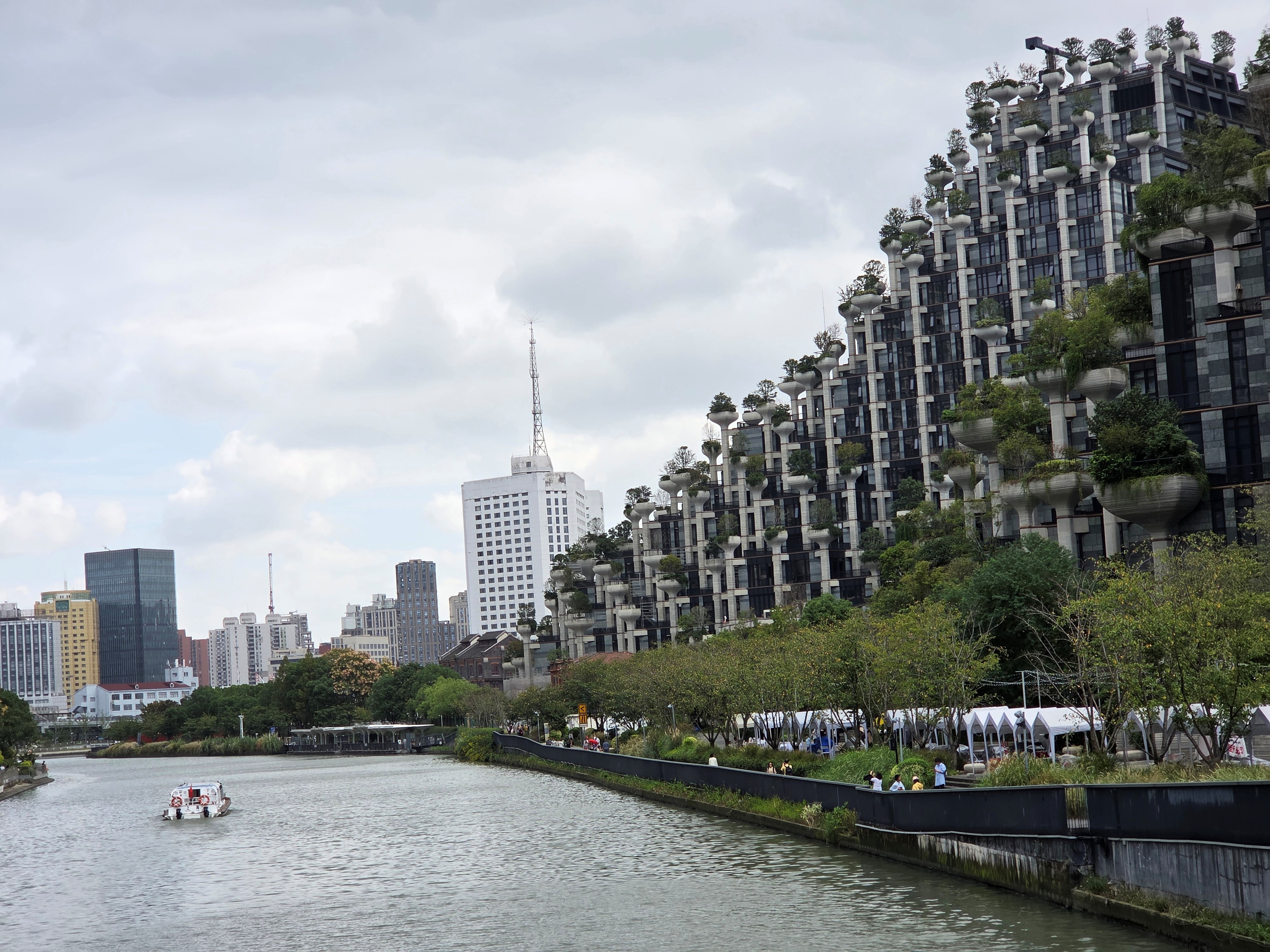
The big cities aren't that much different from other western big cities. The big name brands are there but much bigger and with more variety. Public urban transport is super cheap and plentiful. Cars can be slow because of traffic. Very fast trains are great, extensive and in many ways better than flying.
Public spaces in China are scrupulously clean. There is no litter or graffiti. The air is also clean with many vehicles now electric and great strides in the electrification of the nation. This contrasts with the toilets which are often smelly and/or squat.
Food, drink, taxi rides etc can be found cheaply if you avoid the western brands. Coffee has to be carefully sourced.
Hotels
I haven't used disabled hotels in Australia but it would be fair to say China needs to lift its game as far as rooms for the disabled traveler.
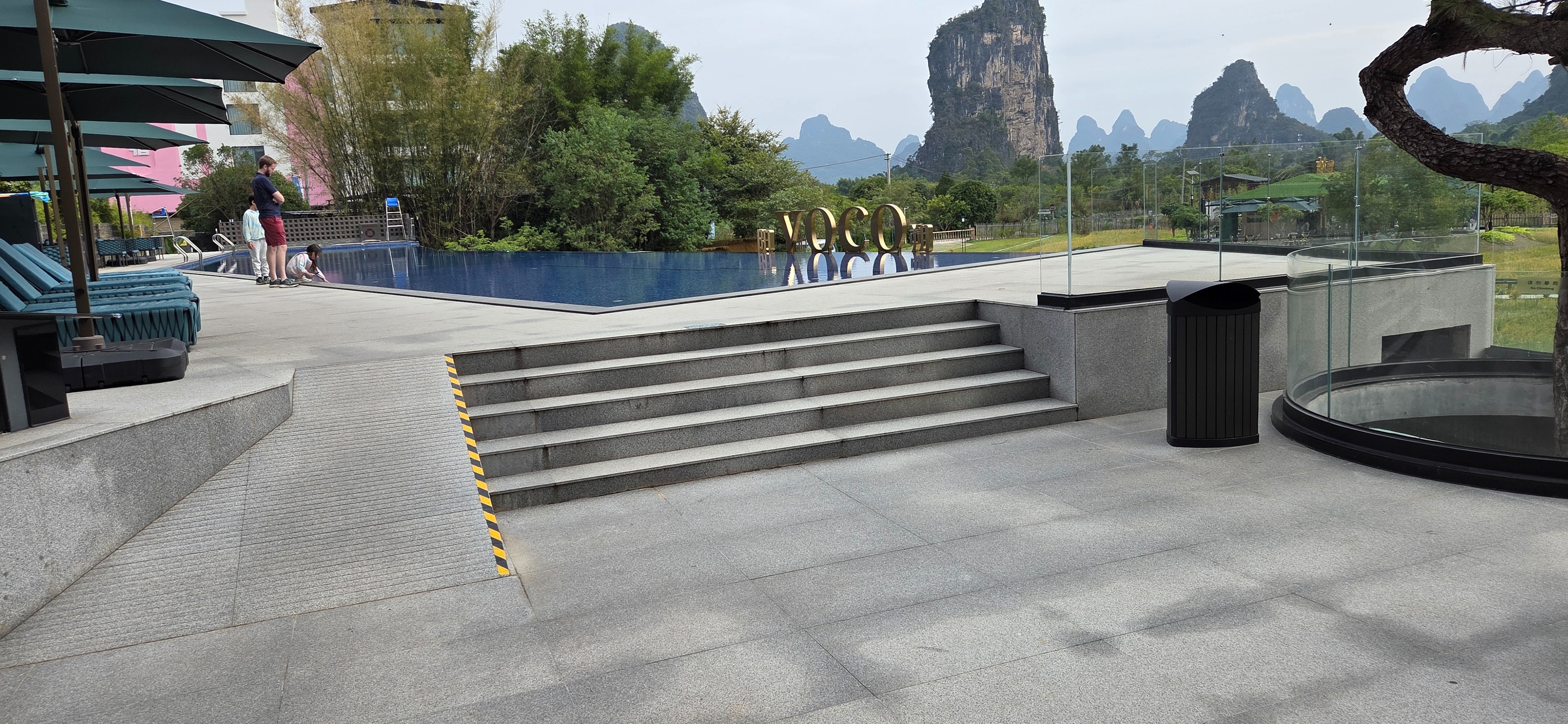
Rooms were an afterthought and placed in the far distant recesses of the hotel, had a shower seat facing away from the shower controls, had no shower seat or accessibility rails, or had wide doors that overlapped on opening. These were international branded hotel chains (eg Sheraton; Hilton; Park Plaza; Vocco etc) and so there was no excuse.
One 5 star hotel we stayed in was less than a year old and had a very fancy bidet toilet with rails but had no accessibility features in the shower such as a seat or rails. There were access ramps to the hotel and pool but these were approaching too steep for even able bodied people.
On a positive note, nearly all hotels had a full-sized wheelchair that could be borrowed during my stay. These replaced the one I had brought from Australia as the oversized wheels were invaluable in traversing the ruts and cobbled streets common in China. It was still rough going but my tour guides were mostly adept in pushing me around the challenging terrain.
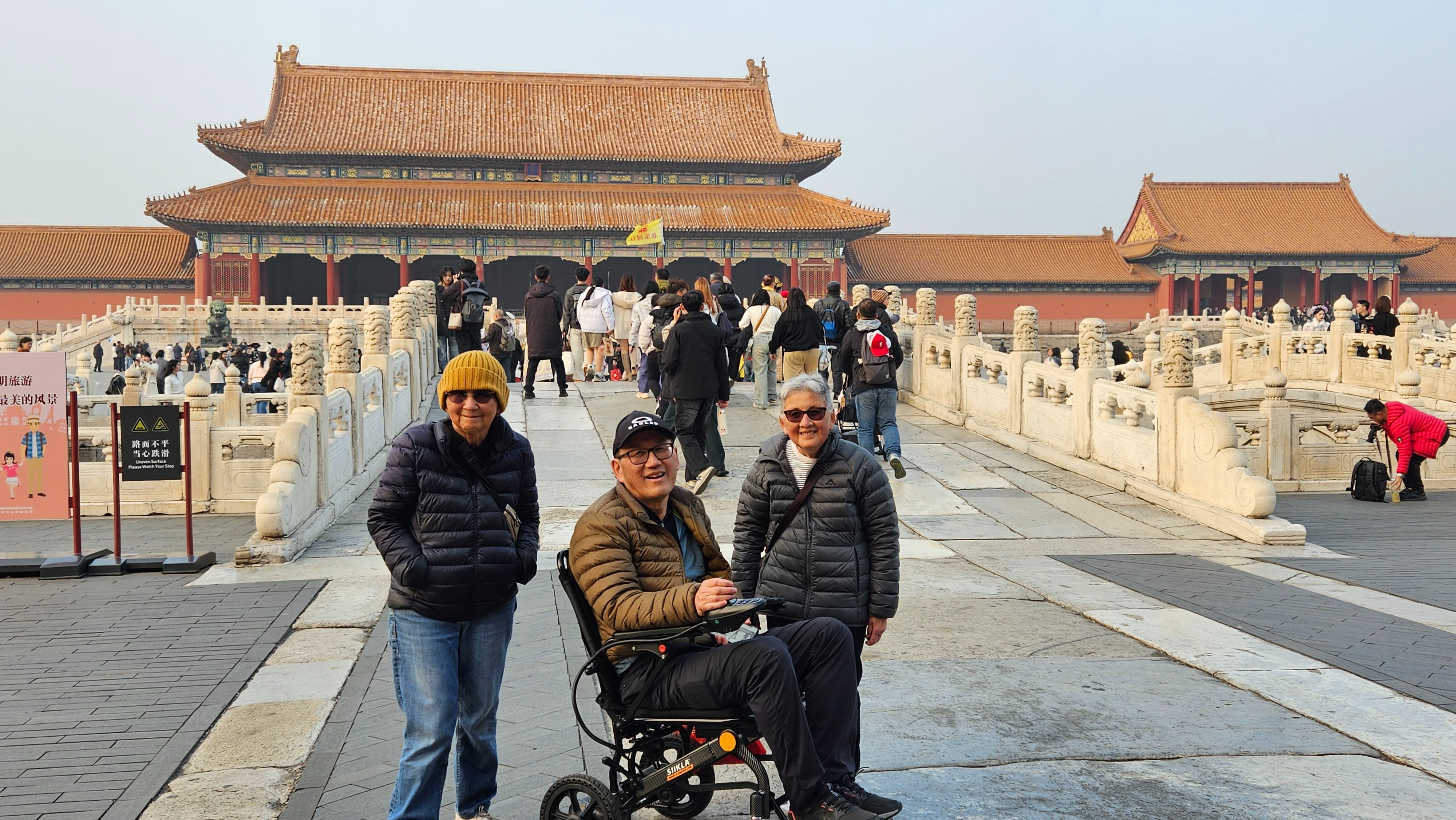
In Beijing my tour company provided me with a light weight battery wheelchair which gave me a significant lease on freedom.
Airlines
We flew Chinese airlines from/to Australia and a couple of flights internally. In general, it was a good service as I, and the tour company, had forewarned the airlines that I would need special assistance. My own walker/wheelchair always had to be checked-in but an airport wheelchair was supplied at all the airports with an airline employee pushing and express shepherding my party through security, immigration etc.
Overall, it was a good airline experience, topped off when I was given the royal treatment by some flight attendants.
My worst experience was actually on return at Melbourne Airport. No aerobridge was supplied to our plane and I had to struggle down a wet mobile passenger stairway to the tarmac with three flight attendants helping me. Not good for a large plane and after a long flight.
I have no understanding on why this occurred as the arrivals hall was empty or why there was no mobile lift provided for passengers with special needs.
Shanghai
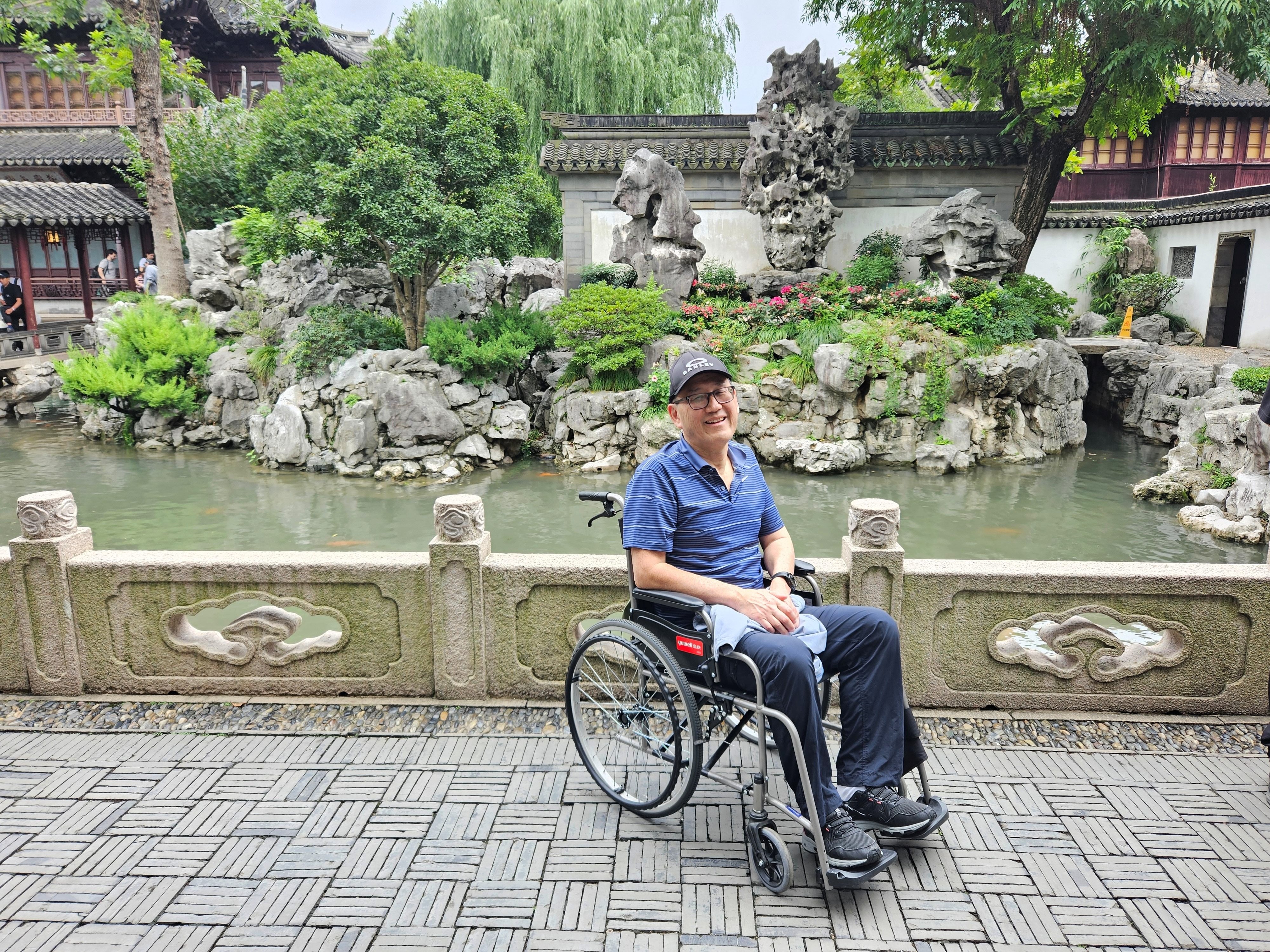
We landed in Shanghai from Melbourne.
This is a large city of approx. 25-30 million. Very busy as a result and the traffic is hectic, as can be imagined. The tourist areas are quite rich. Like the rest of China, they have realised the value of their heritage and the old colonial areas/concessions have been preserved.
Shanghai is still a modern city and one of the richest in China. It is western in many ways, bilingual signs, a coffee culture and very large western high end stores.
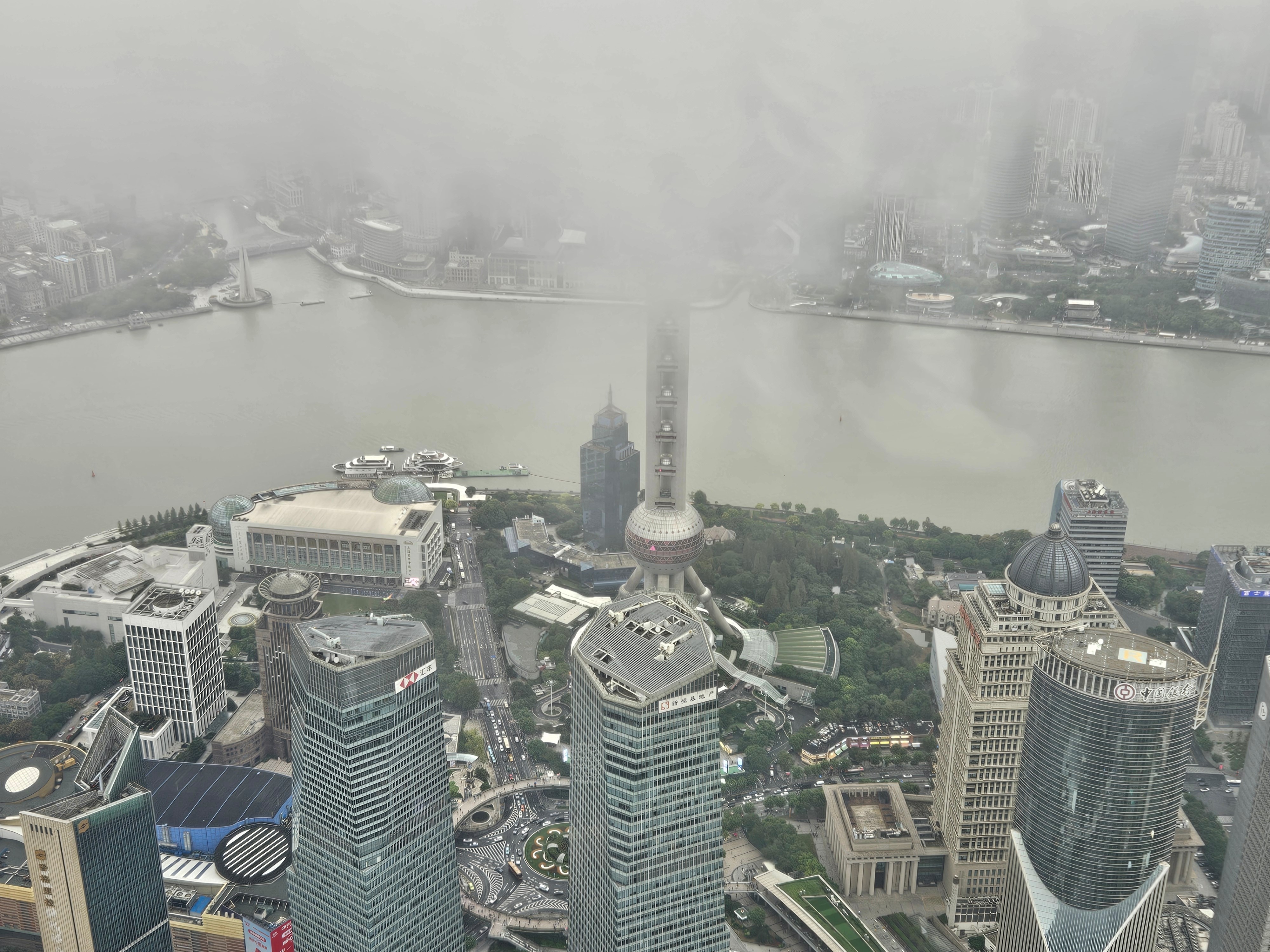
Shanghai tower is one of the tallest buildings in the world (over 600m), We took the lift and it took just minutes with a very smooth ride. Unfortunately the top was in clouds.
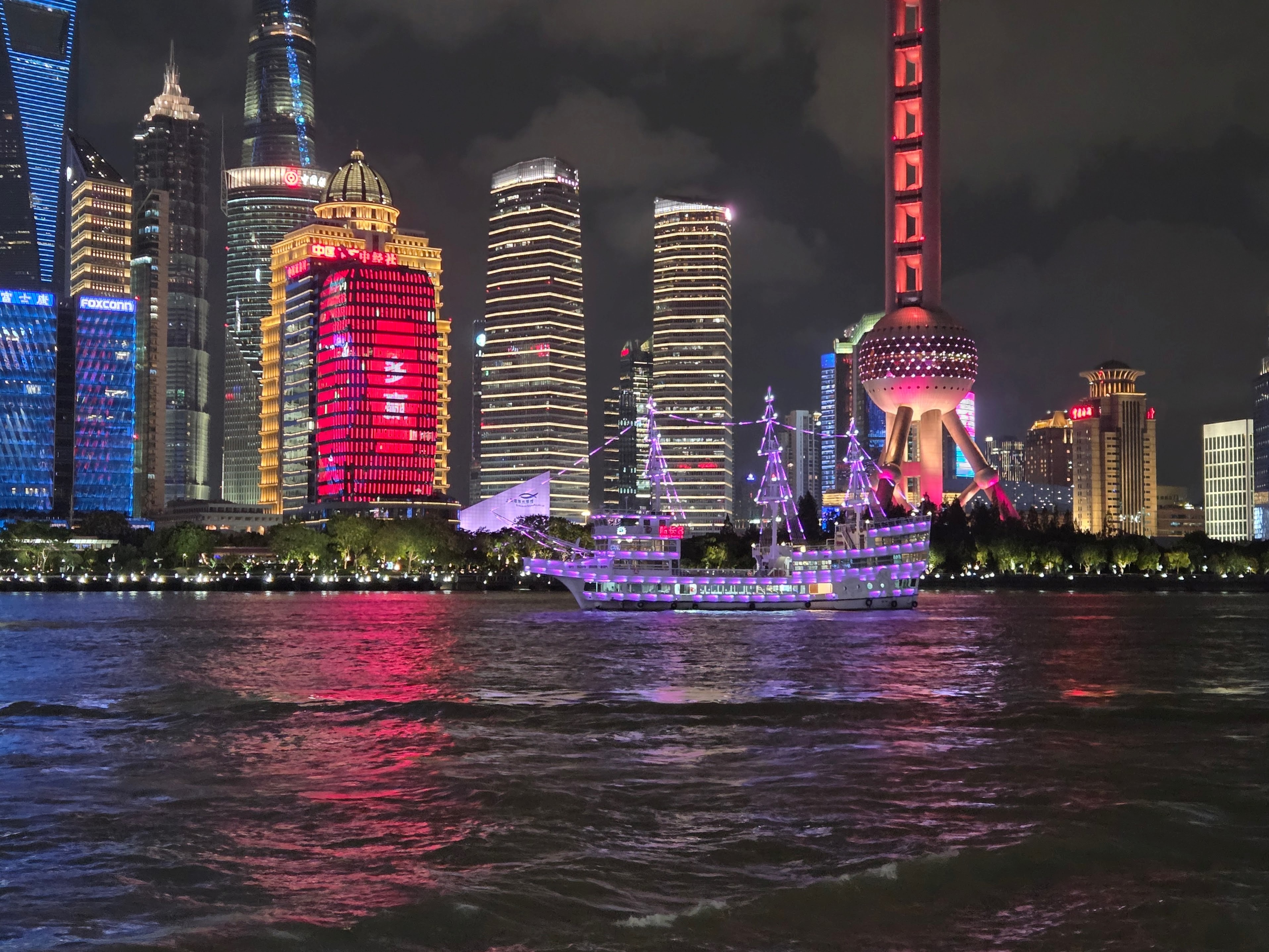
The buildings facing the Huangpu River and on the Bund are lit up at night and are very pretty.
Fortunately, China is getting on top of their past air pollution problems with a huge push to electrification. The majority of new cars, buses are electric.
Guilin and Yangshuo
Next stage of our journey was to Guilin and Yangshuo, in SE of China, a two hour plane flight from Shanghai.
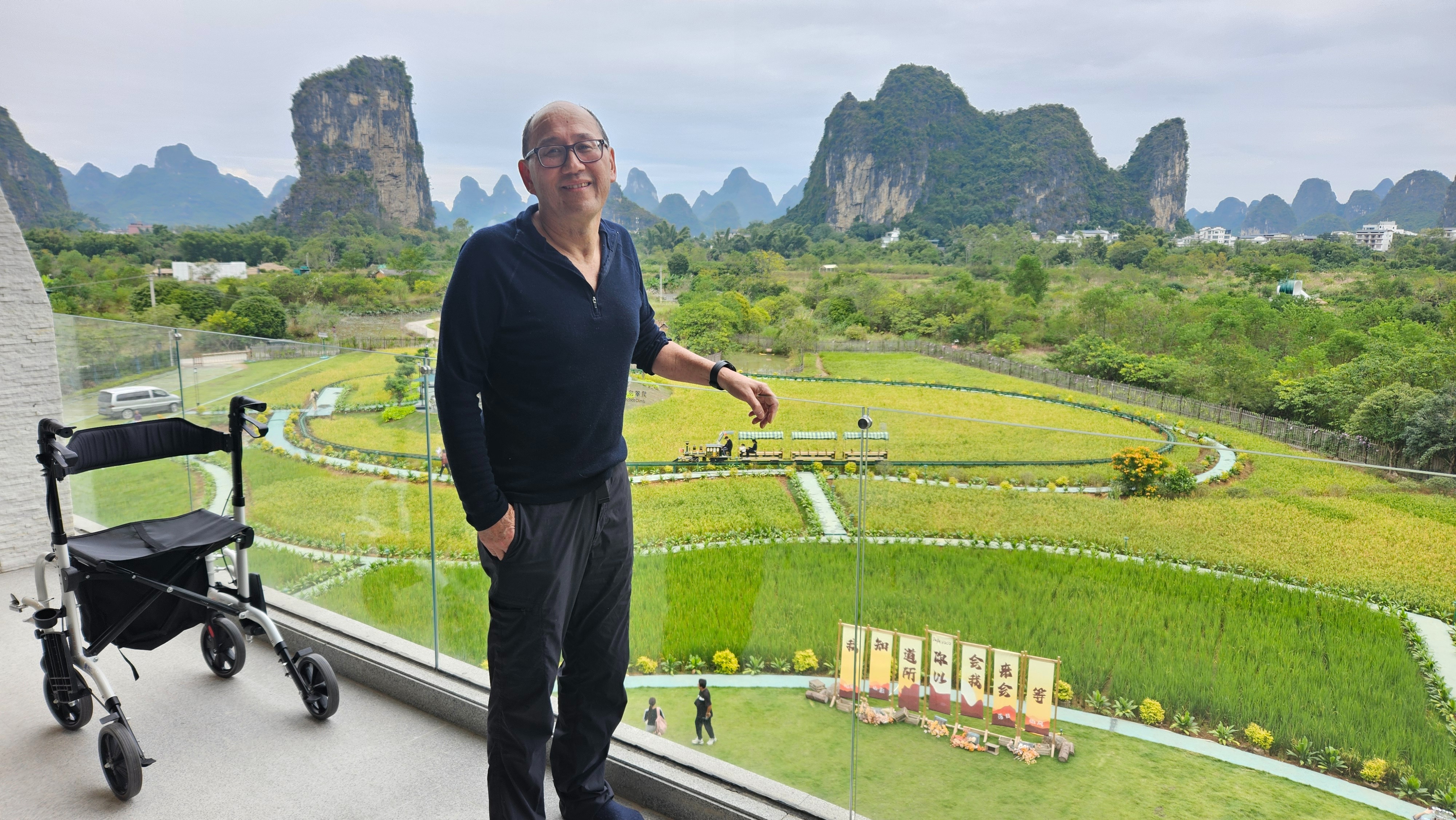
Guilin is a smallish (for China) town known for its unique karst landscape, characterised by towering limestone mountains, caves, and the picturesque Li River. It's a popular tourist destination famous for its natural scenery.
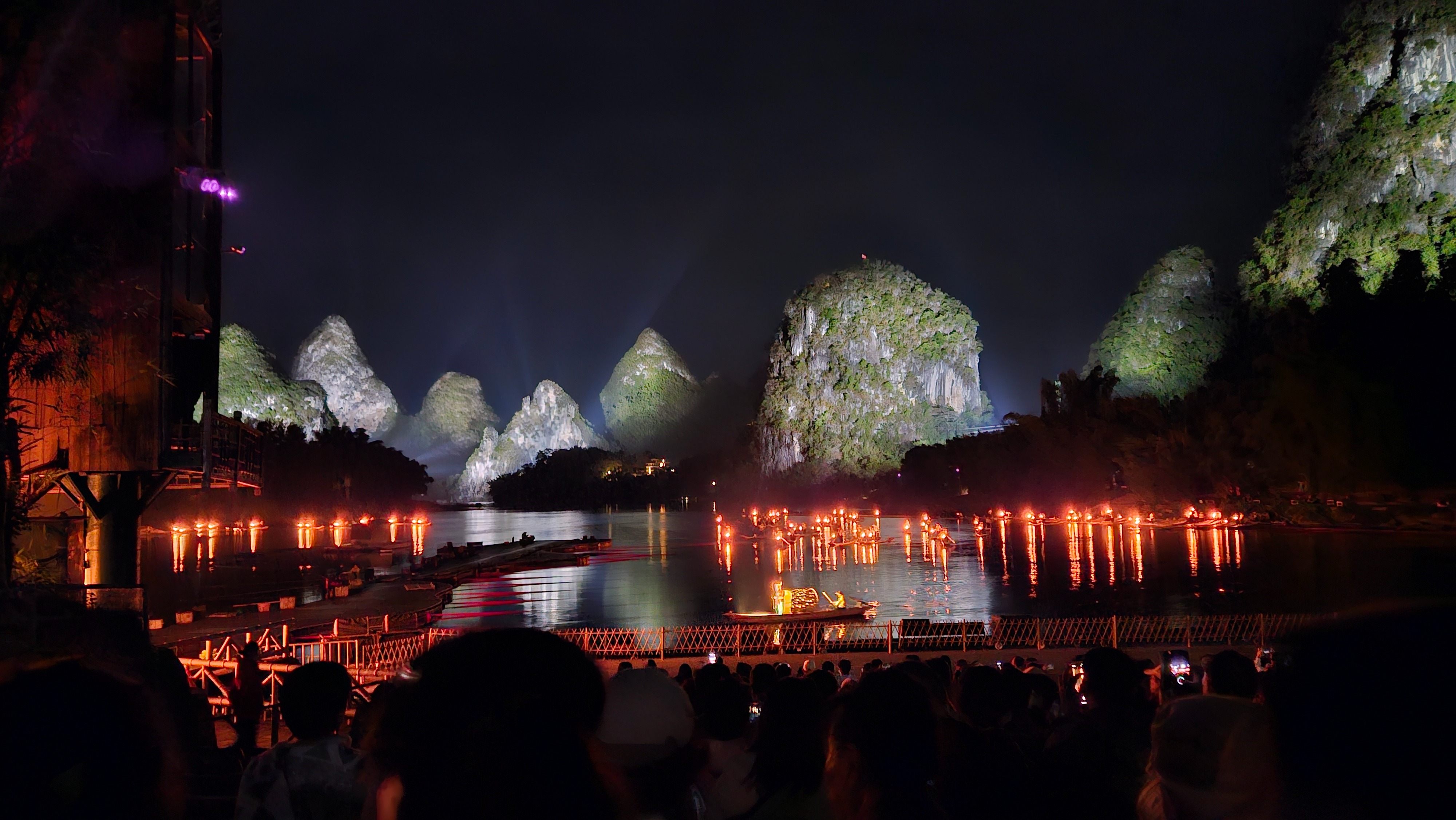
At night we went out to a light and sound spectacular on the banks of the Li river, which showcased the region's karst mountains.
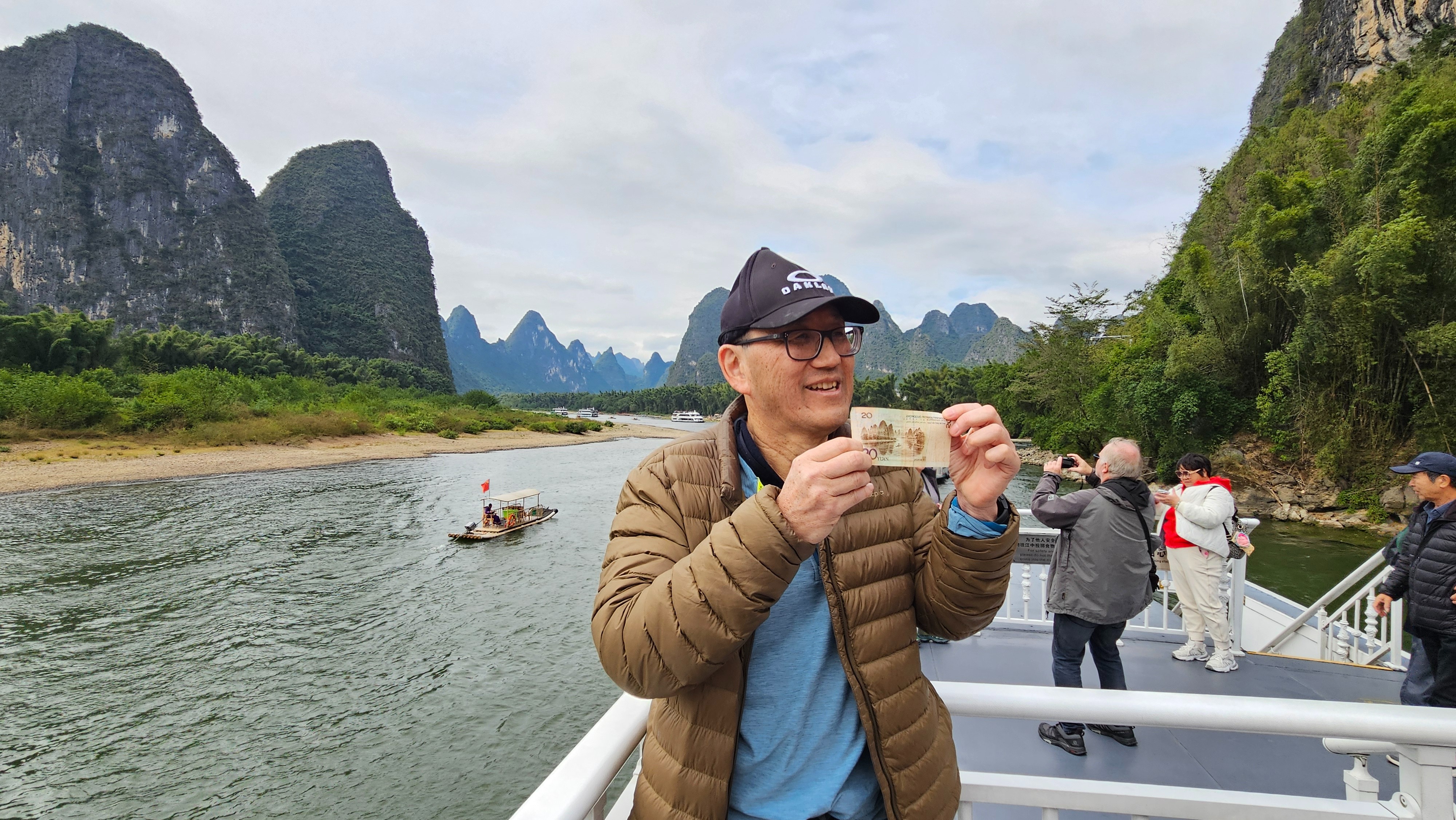
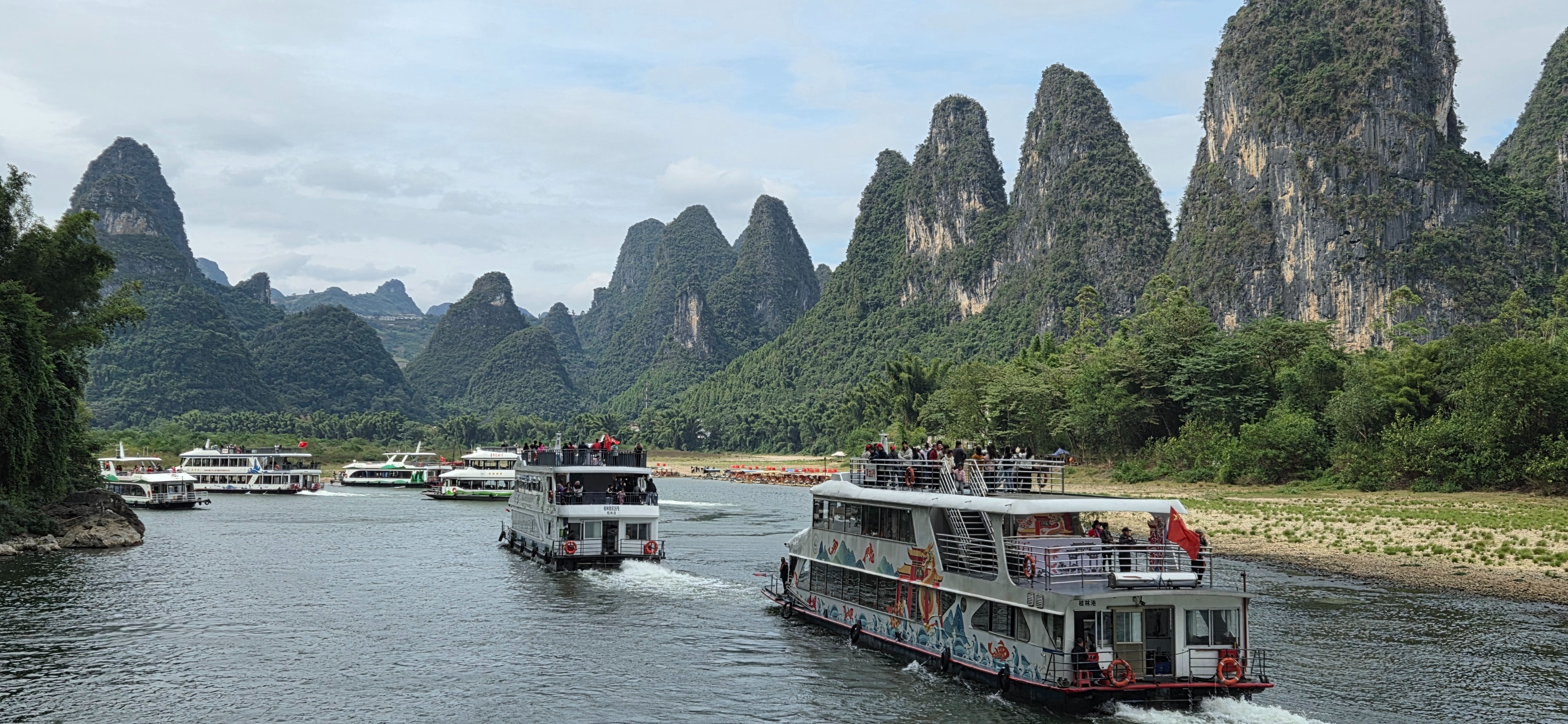
Yangshou is a county of Guilin which we reached by a four hour boat trip down the Li River. It’s a famous point on the river, and it is depicted on the 20 Yuan note.
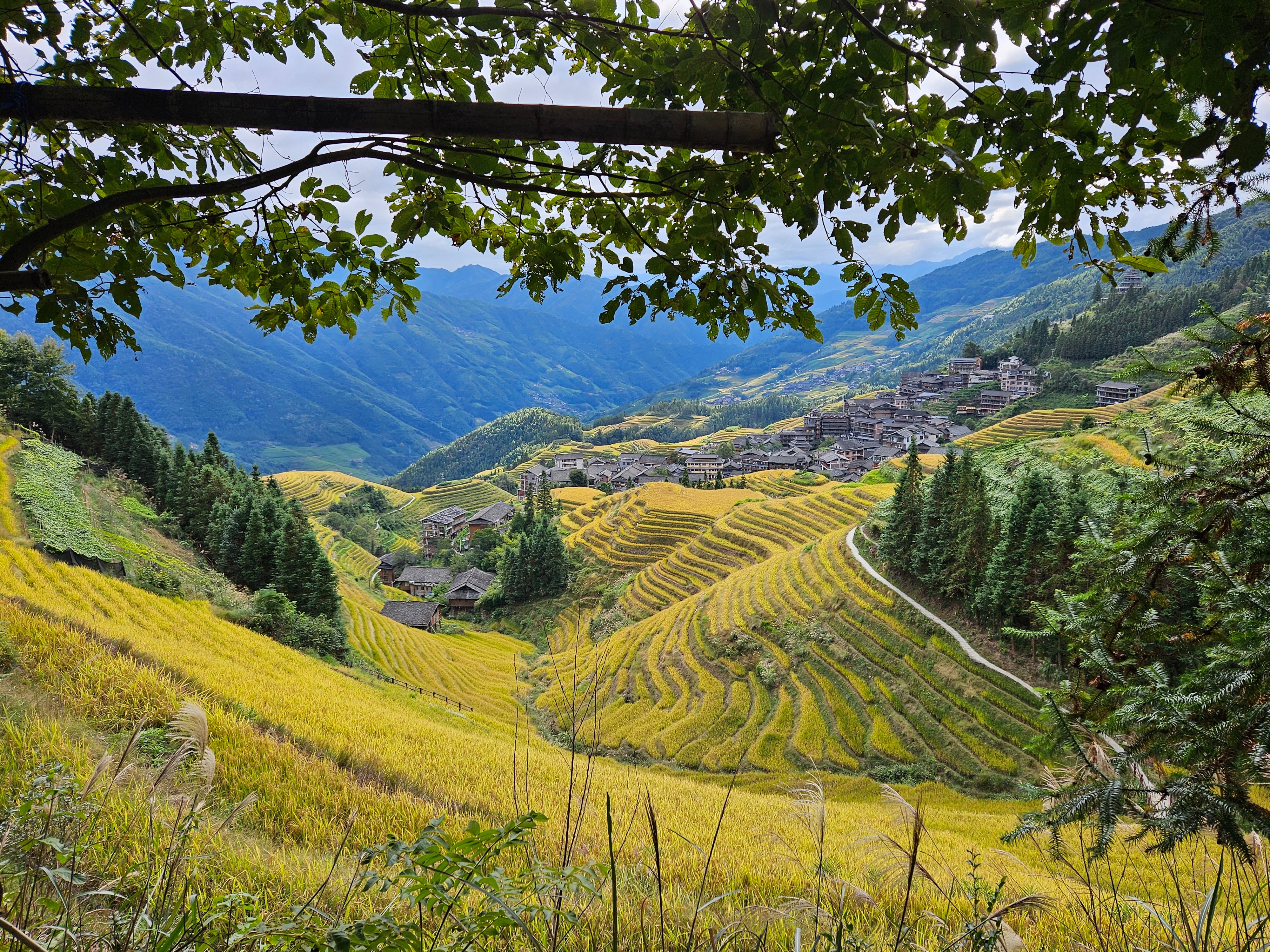
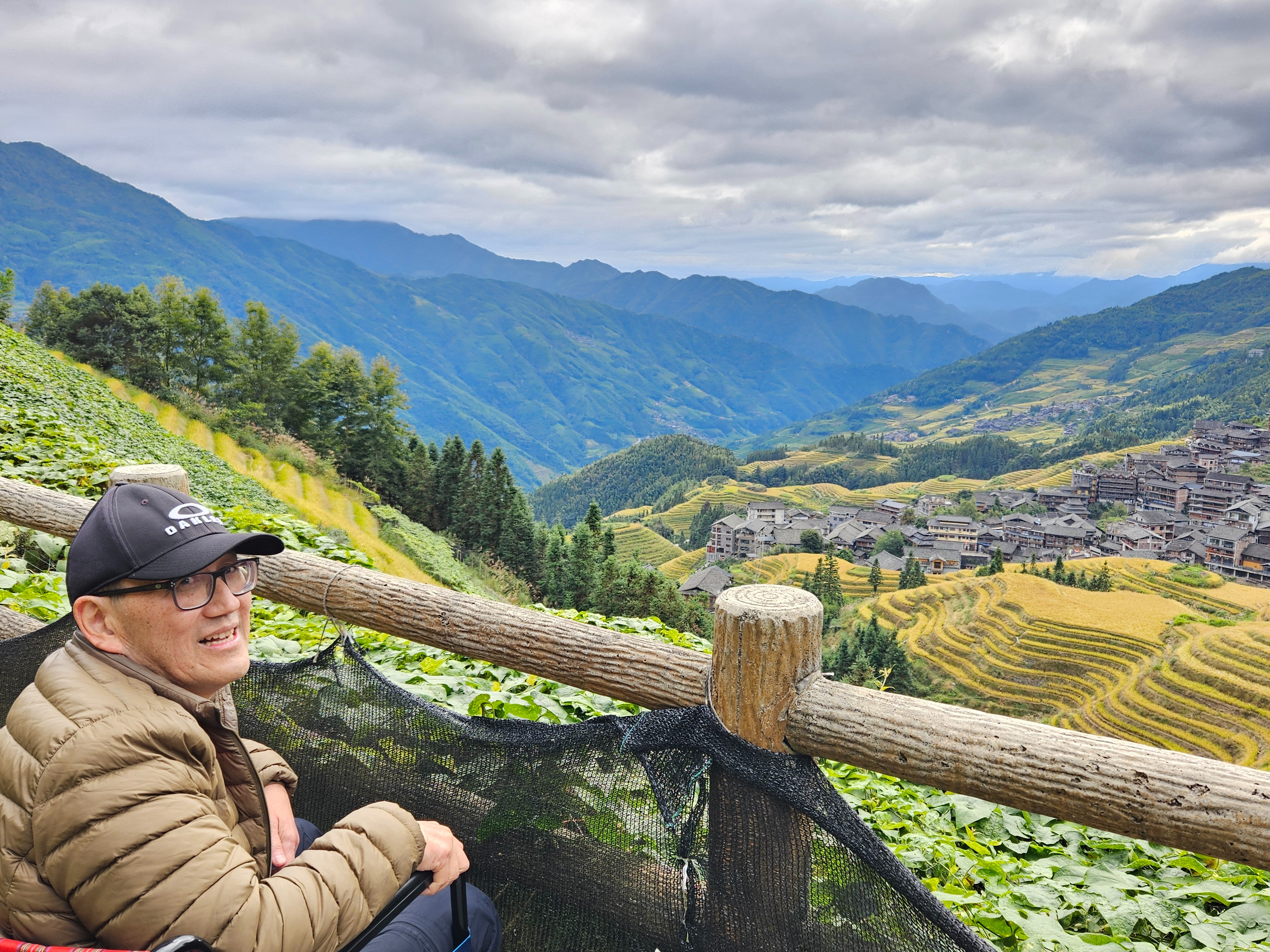
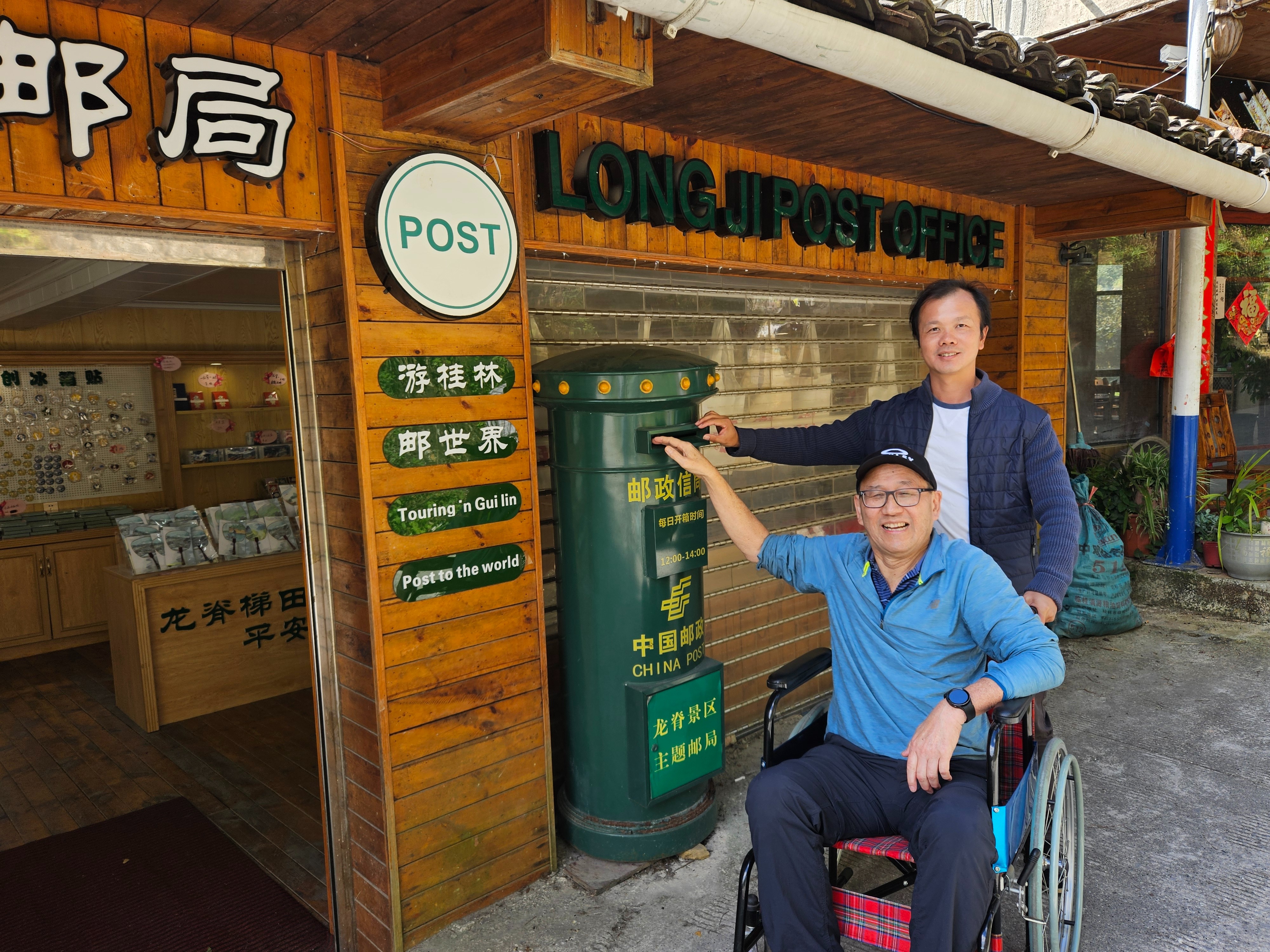
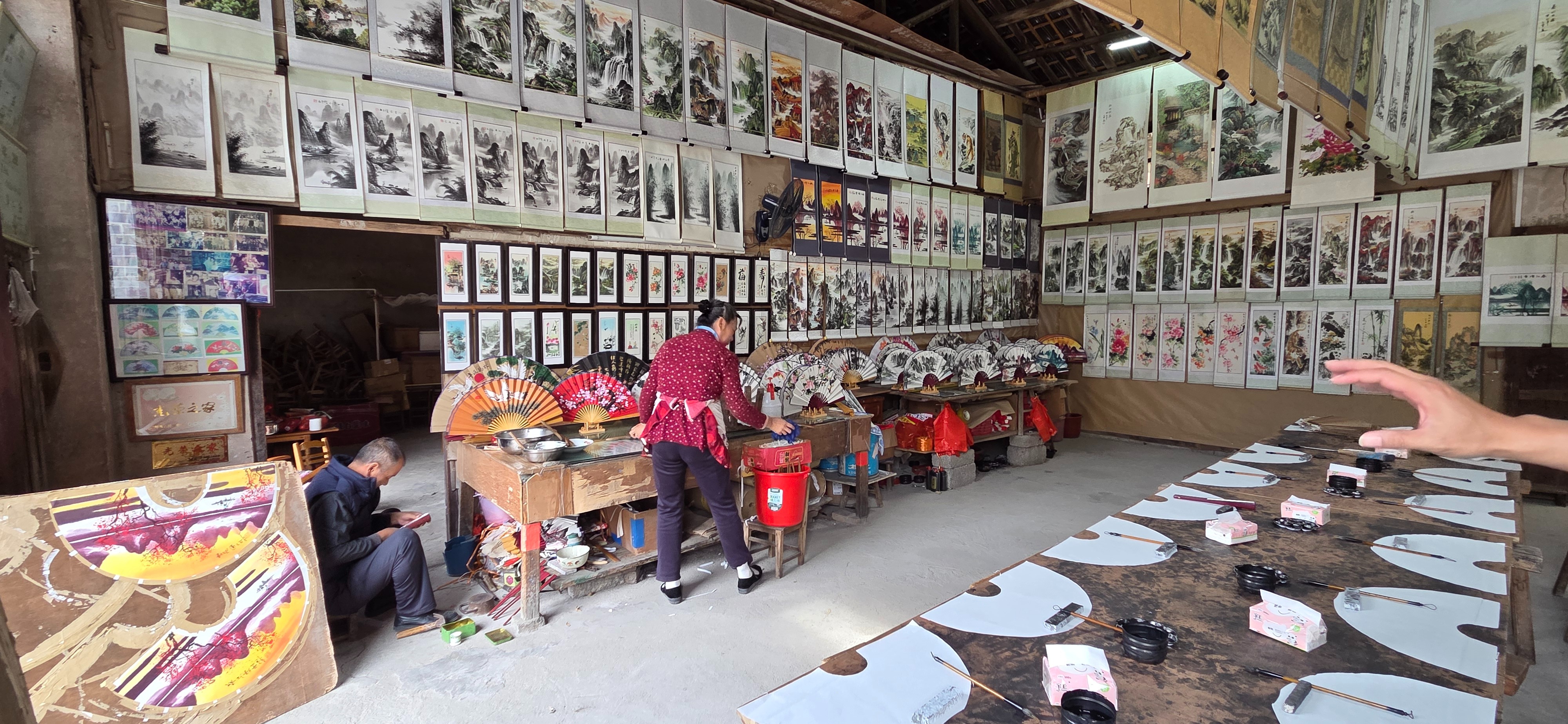
The Longji rice terraces are reached from Yangshuo. Buses can only go so far up the mountain and it's a hair-raising onward journey with local drivers who know the route too well. The rice terraces were just about to be harvested and were a golden yellow.
Xi'an
Continuing on with my odyssey. From Guilin we flew to Xi'an. This is famous for being the eastern start/end of the Silk Road and the site of the terracotta warriors.
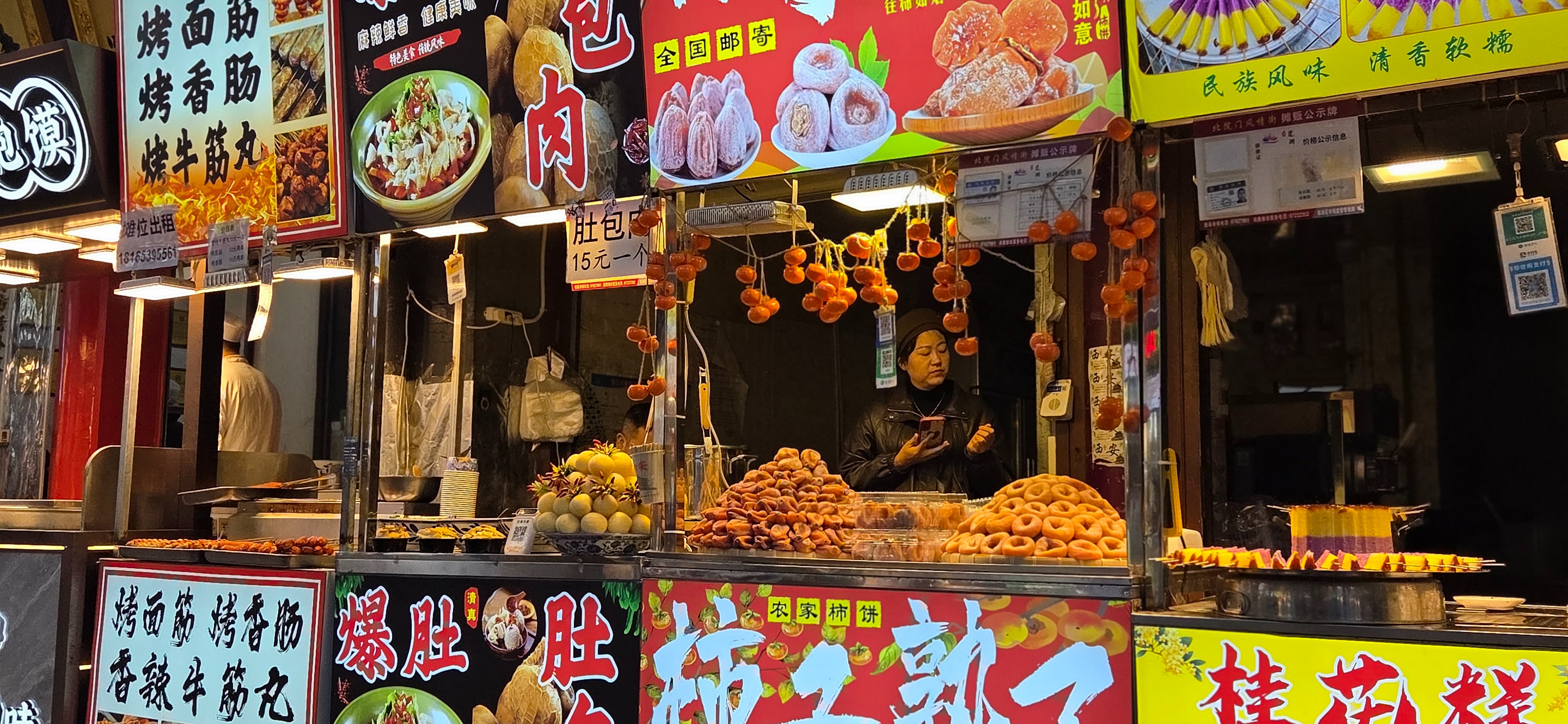
- The Historic Muslim Quarter - A living testament to a key ethnic group in China. The food of Xian reflects the diversity brought about by the trading along the Silk Road and includes the famous biang biang noodles grilled meat skewers and many middle eastern foods
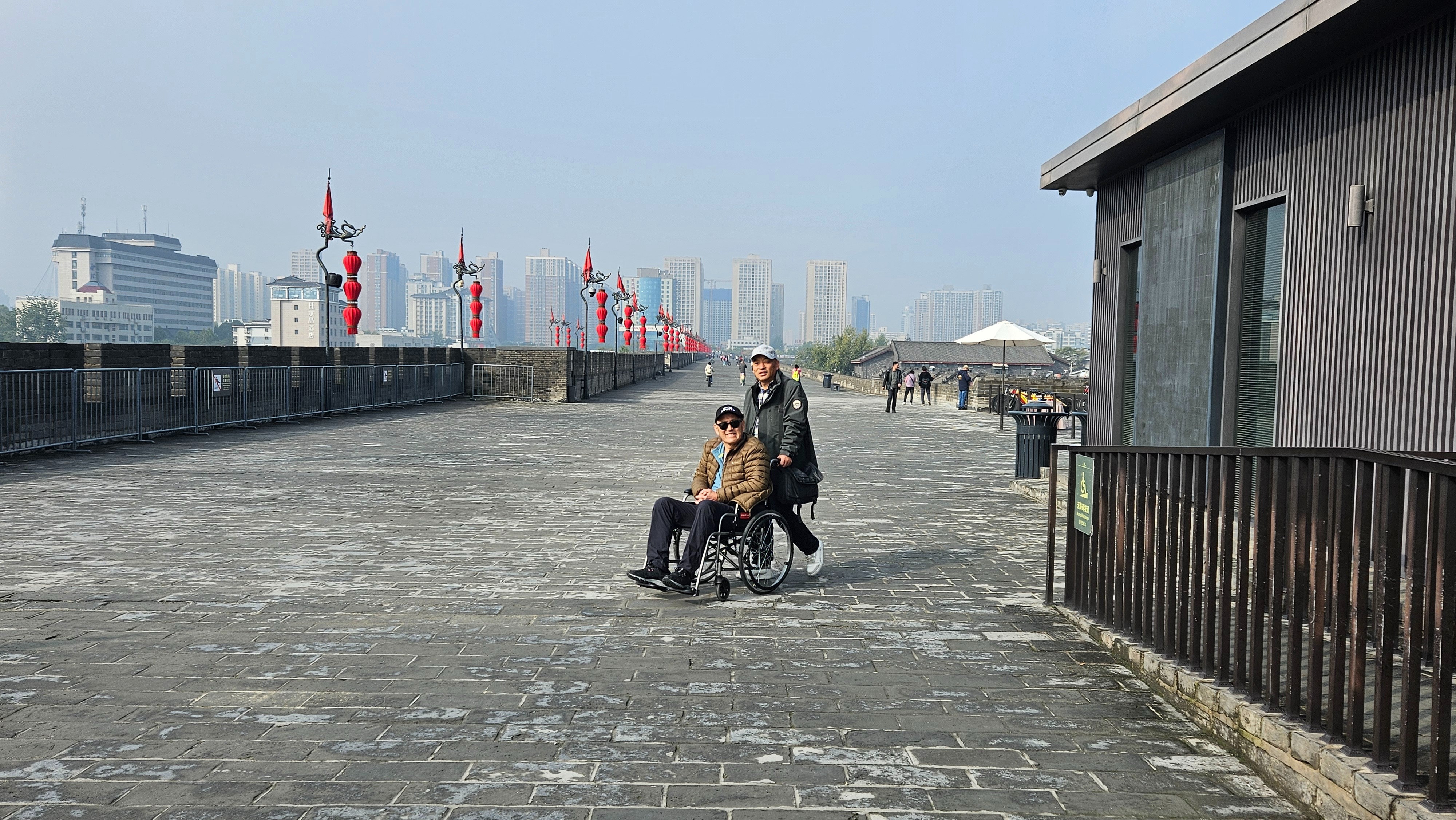
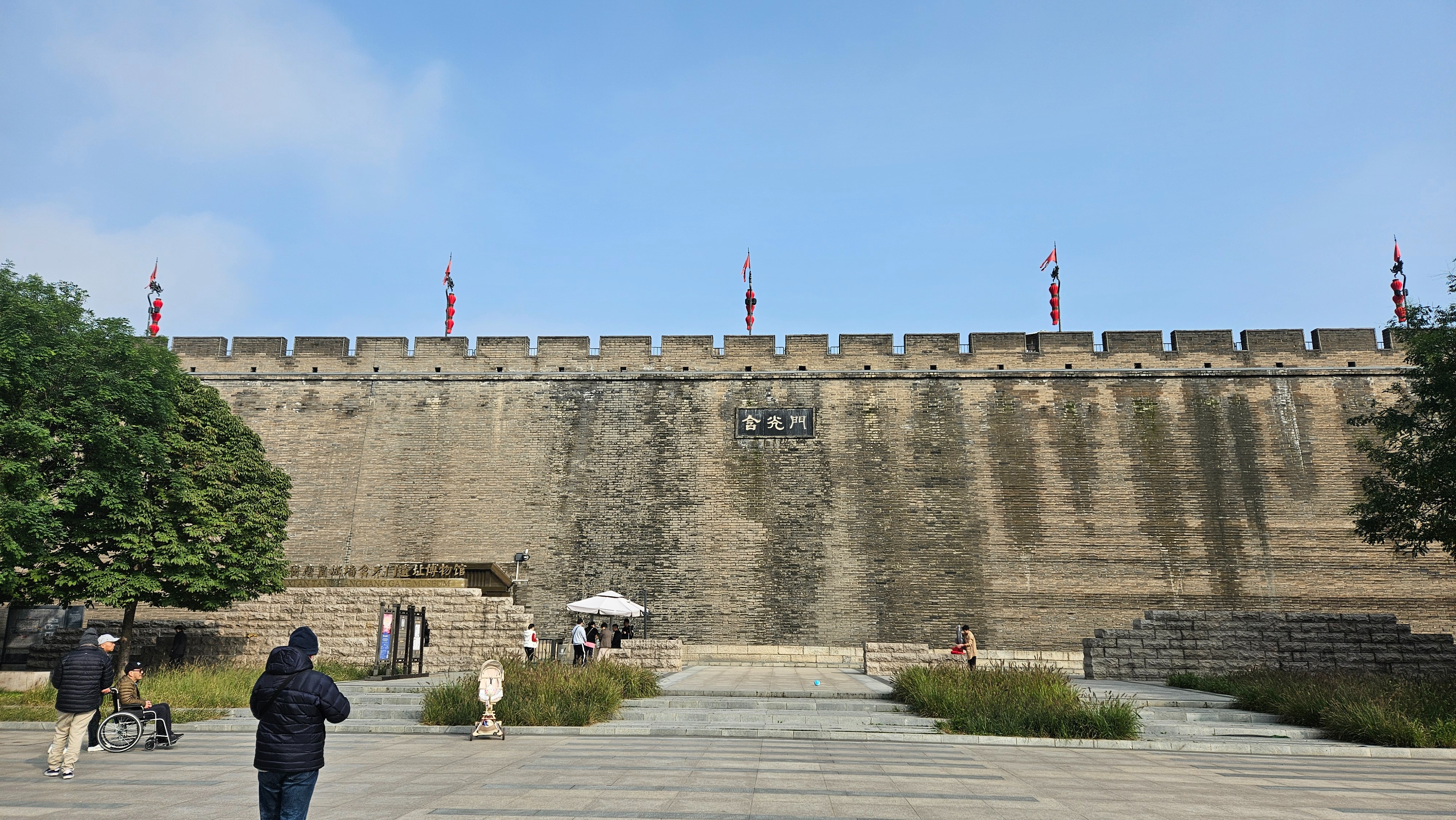
- Xi'an City Wall - Walking or biking along the well-preserved ancient city wall provides a tangible connection to the city's historic defenses and bustling past as a major trade hub. Fortunately for me, access to the wall has been modernised and there is a lift at the Hanguang Gate. Once on top there are views across the city and wheelchair access is possible on cobblestones.
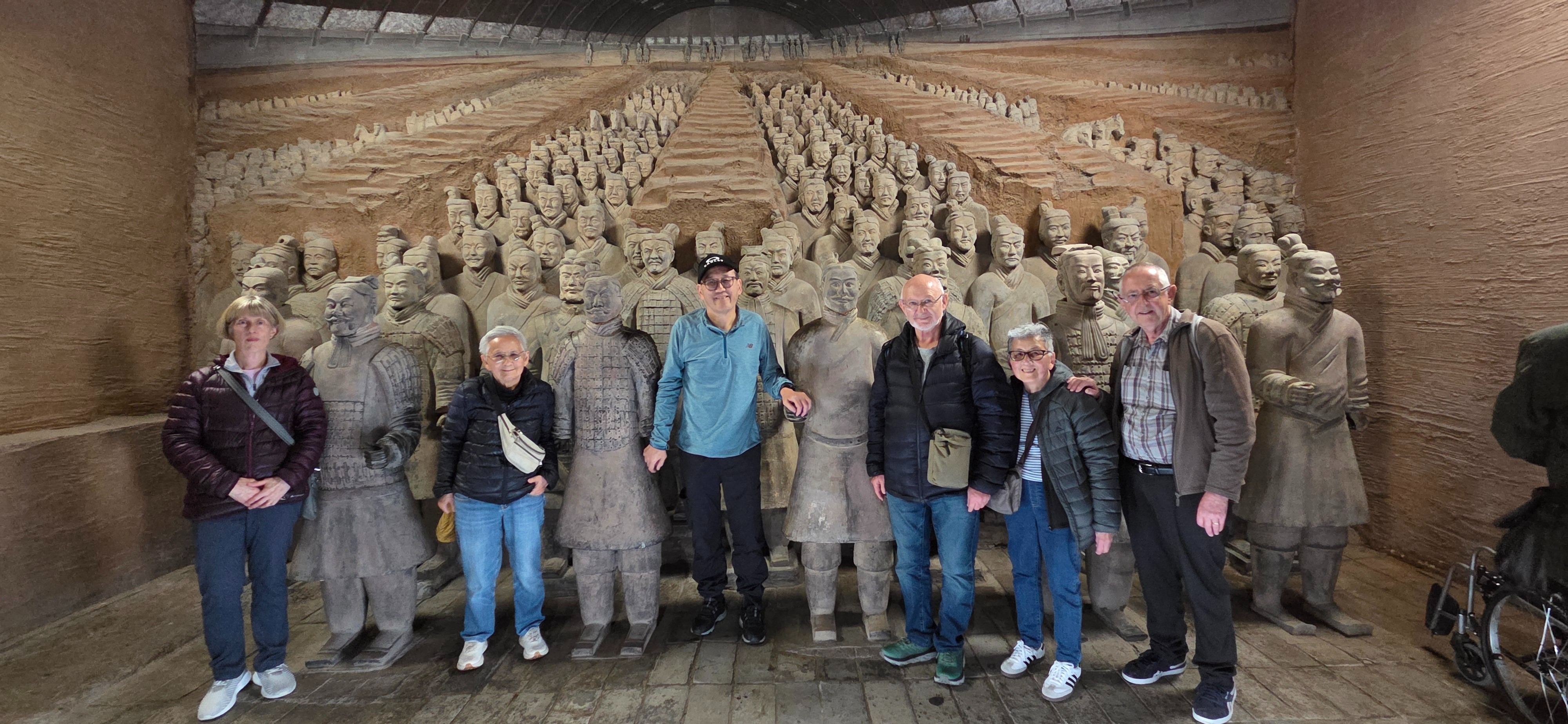
- The Terracotta Warriors - The discovery of the Terracotta Army is a major archaeological draw and is often described as the eighth wonder of the world, it was created to protect the Emperor in his afterlife.
Train to Beijing
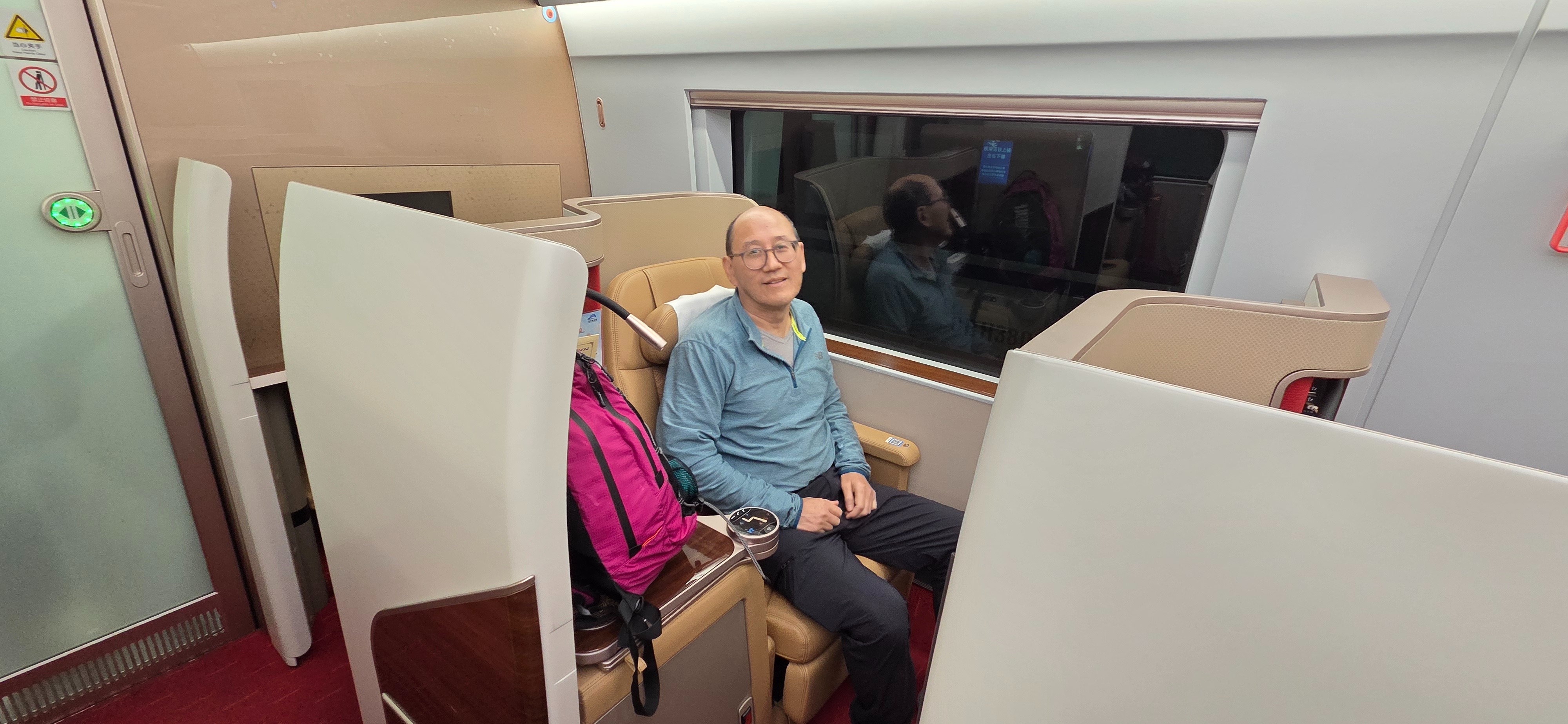
The next step of my trip was Xian to Beijing via very fast train (VFT) (350km/hr). After trying this we decided that the train is the best way to travel within China, especially if you travel business class like we did. There is 50,000 km of VFT track in China and so most destinations can be reached. The stations are easily reached from town and the trains are very comfortable.
Business class has a special waiting room and hostesses lead you down to your compartment on the train. This proved very useful due to the crowds rushing to get onboard or off the train.
Beijing
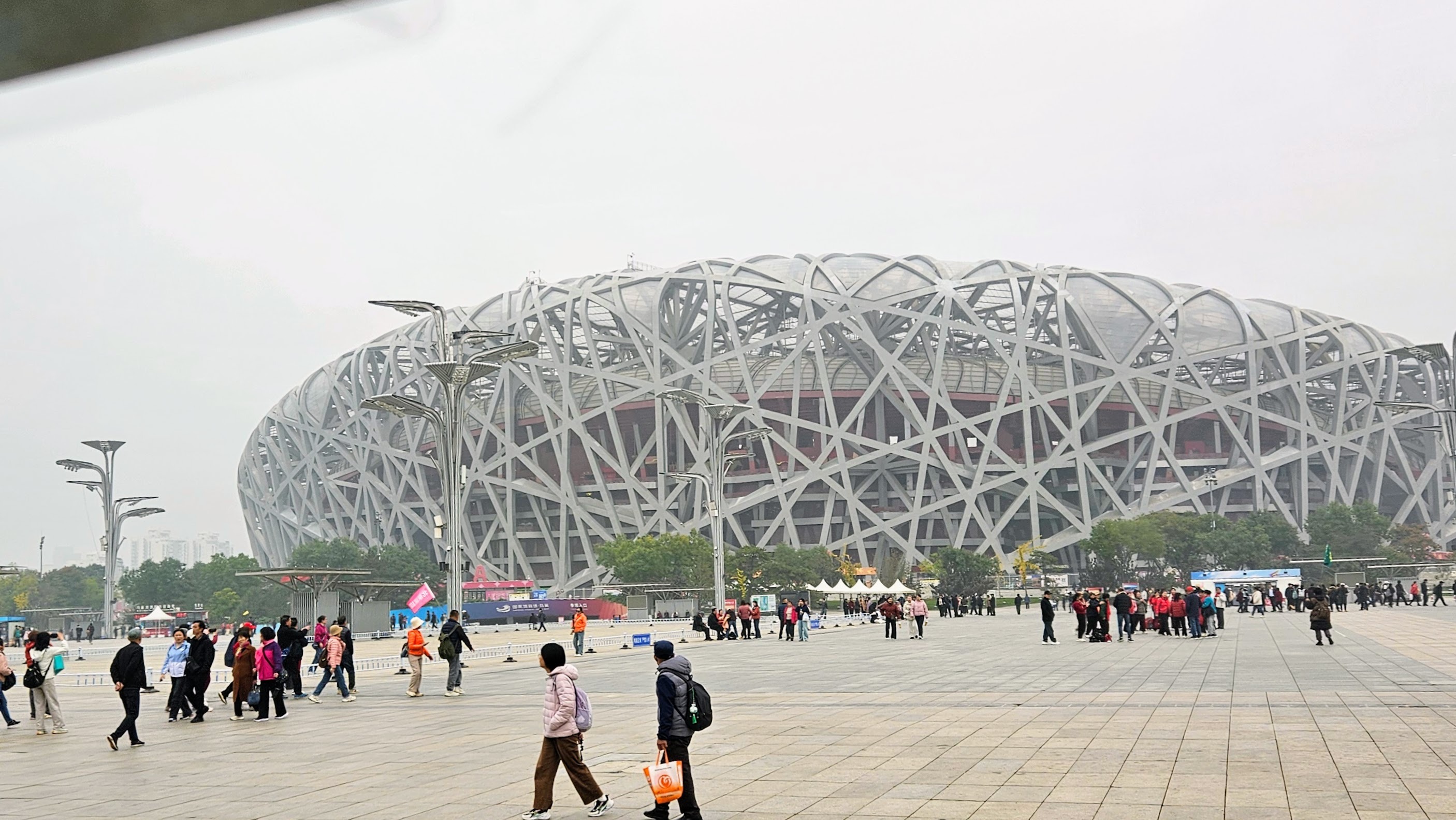
The final travelogue on my trip to China ends in the capital Beijing. It is a vast ancient city that is surprisingly accommodating. Major thoroughfares are huge with four or more traffic lanes in both directions separated from similarly generous bike lanes.
Air pollution was mostly not evident (winter is worse?) as most new cars are electric and the subway has over 500 stations.
For an experiment I tried the metro for a couple of stops. It was very accommodating .I was met on both the departing and arriving platforms by an attendant who placed a cross over on the platform gap for my wheelchair. The journey, however, was a bit daunting due to the crowds and bustle getting on and off.
Key sights are: Tiananmen Square, the Forbidden Palace, the Summer Palace and much more.
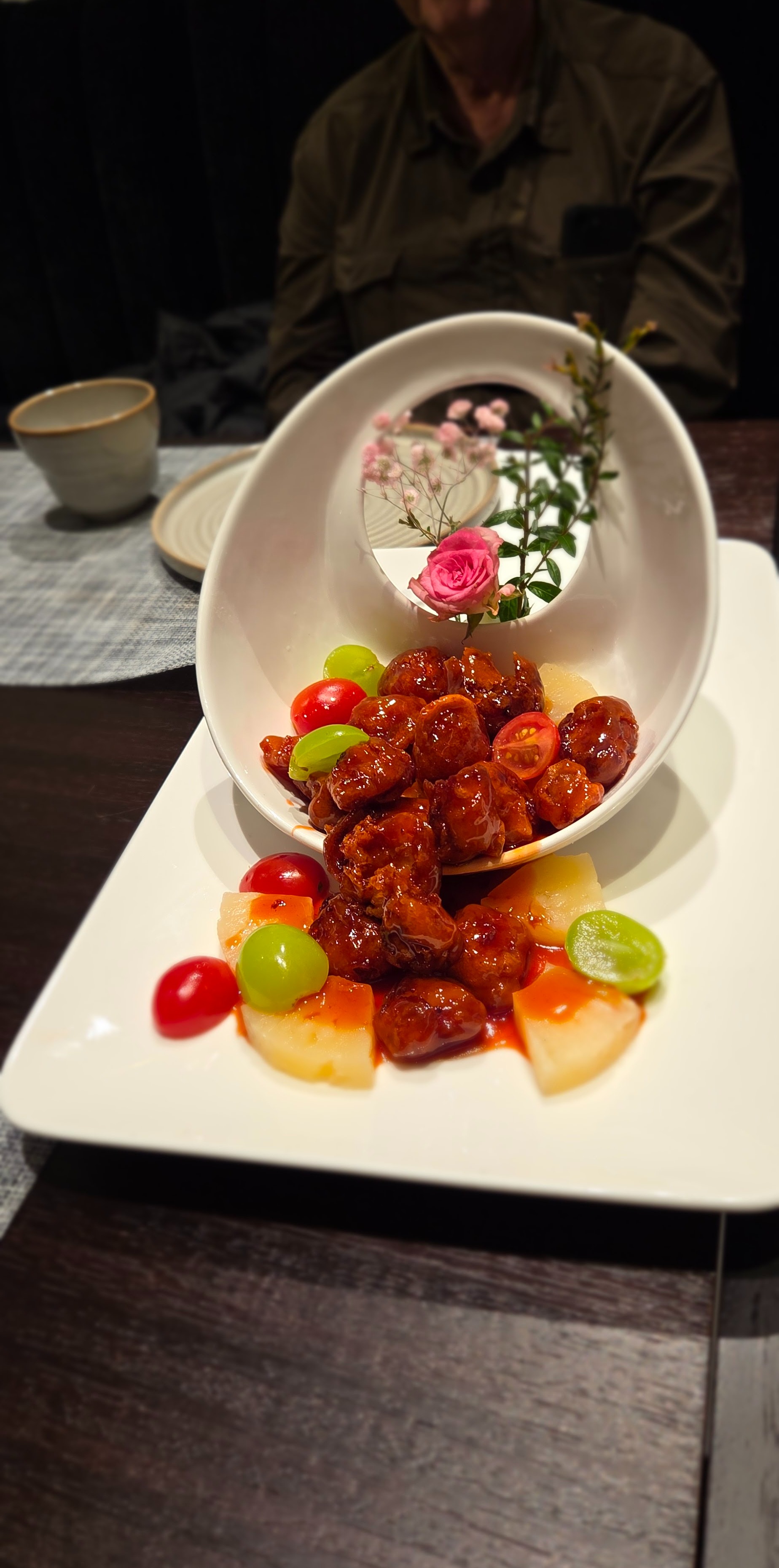
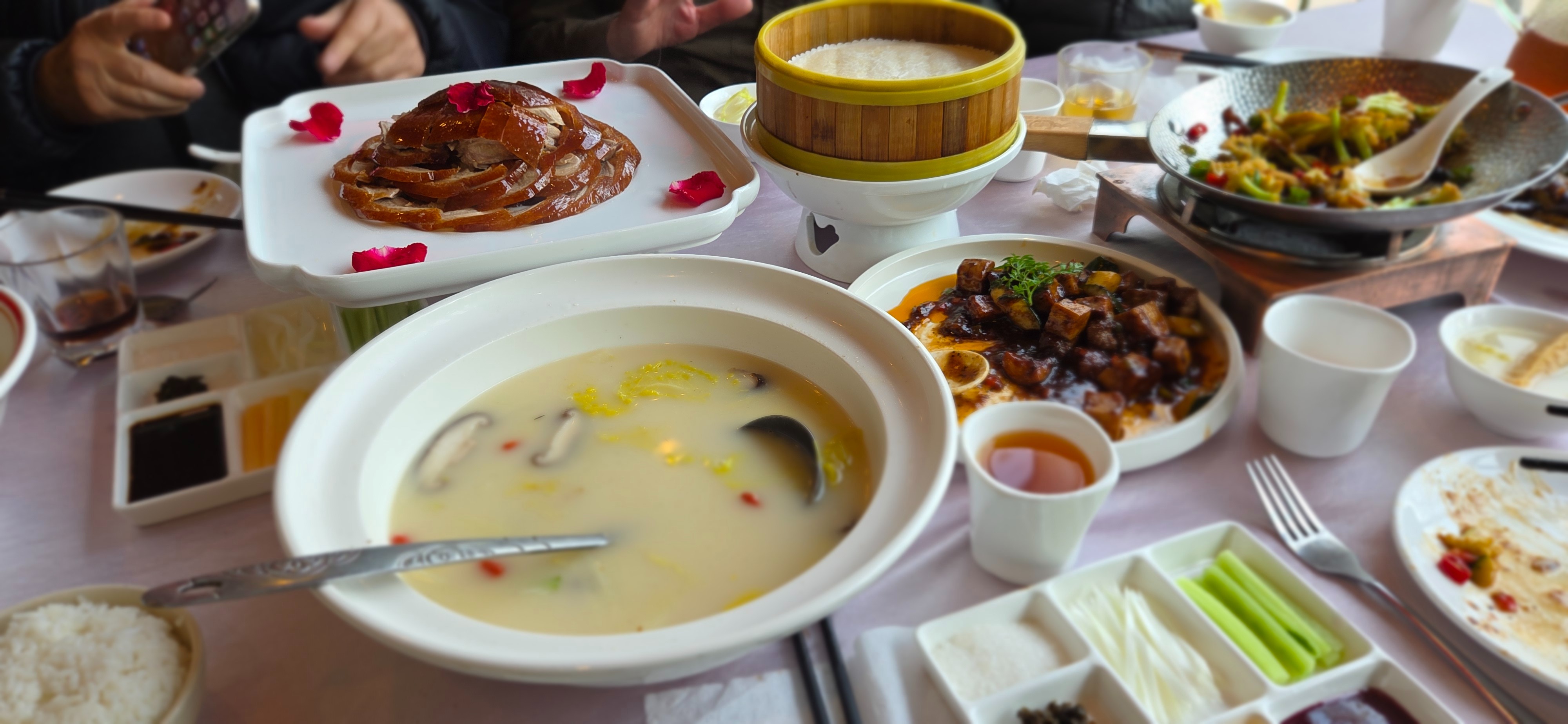
Of course, we had the obligatory Peking Duck, but all the food was excellent.
A final comment
Traveling in a wheelchair with MND is both privilege and a challenge. My guides in each city were wonderful and shouldered most of the burden of pushing me across some very rough terrain and cobblestone roads. At times I had to be partially carried up or down steps. I was lucky in that I had two (admittedly not young ) brothers in laws to help as well. I am so glad I made the trip when I did as my disease is rapidly taking away my mobility.
China is certainly a challenge if you are fully ambulatory. I was very tired after two weeks of travel. However, few countries can match China's contrasts and contradictions. Fortunately, modern China has realised the value of paying homage to its past.
Share page