How to Help Someone With Motor Neurone Disease
February 10, 2025
A Guide to Practical and Emotional Support
If you want to help someone with motor neurone disease, the best first step is simpler than most people expect: stay present, listen well, and offer practical help that takes pressure off daily life. Motor neurone disease, also called amyotrophic lateral sclerosis in its most common form, affects the motor neurons in the brain, spinal cord, and body.
These nerve cells control the muscles that allow us to move, speak, and breathe. As the disease progresses, it impacts the ability of these motor neurons to send messages, making movement, speech, swallowing, and breathing increasingly difficult. There is still no cure, so the focus is on symptom management, independence, comfort, and quality of life through the right healthcare team, supports, and planning.
Information Notice: For the most up-to-date clinical information and national guidelines, please visit MND Australia.
The Immediate Social and Emotional Response
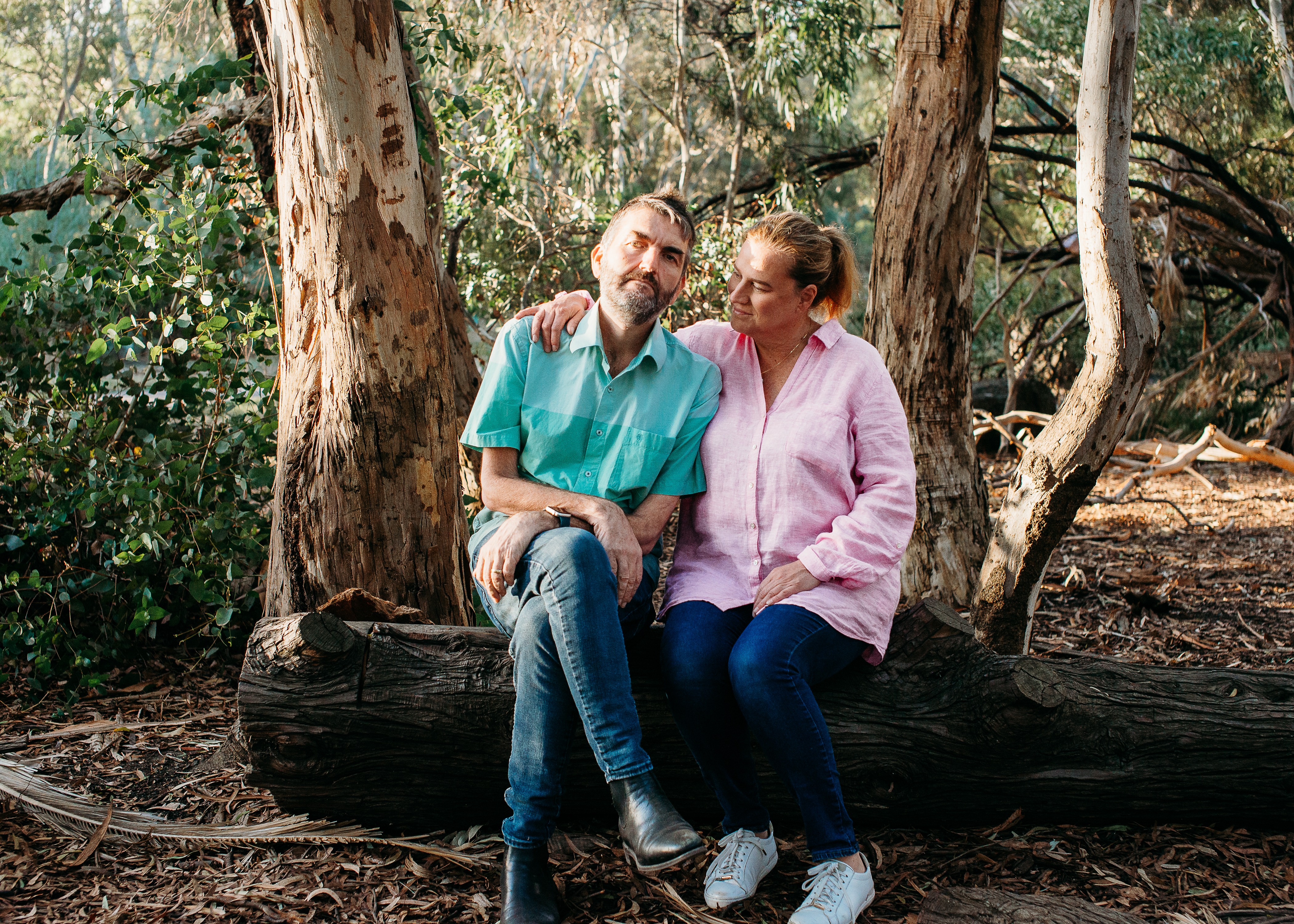
A new diagnosis of MND can leave both the person and their family members in shock, with many loved ones unsure what to say. According to community research, the most helpful move is not a perfect speech; it is a calm, honest presence.
What to say to someone diagnosed with MND
If you are wondering what to say to someone diagnosed with MND, aim for respect, warmth, and normalcy. Try these no-pressure conversation starters:
“I’m here with you. Would you like to talk, or would you rather I just sit with you?”
“What would make this week easier? I can handle dinner or the school run on Thursday.”
“I’ll keep checking in. You don't have to carry this alone.”
Active listening provides a safe space for people to express fear, anger, grief, or uncertainty without being judged or pushed into forced positivity. It is important to talk to the person, not just the main carer, to protect their autonomy. MND changes the body, but it does not erase the person’s preferences, humour, or intelligence.
Navigating the Support Ecosystem
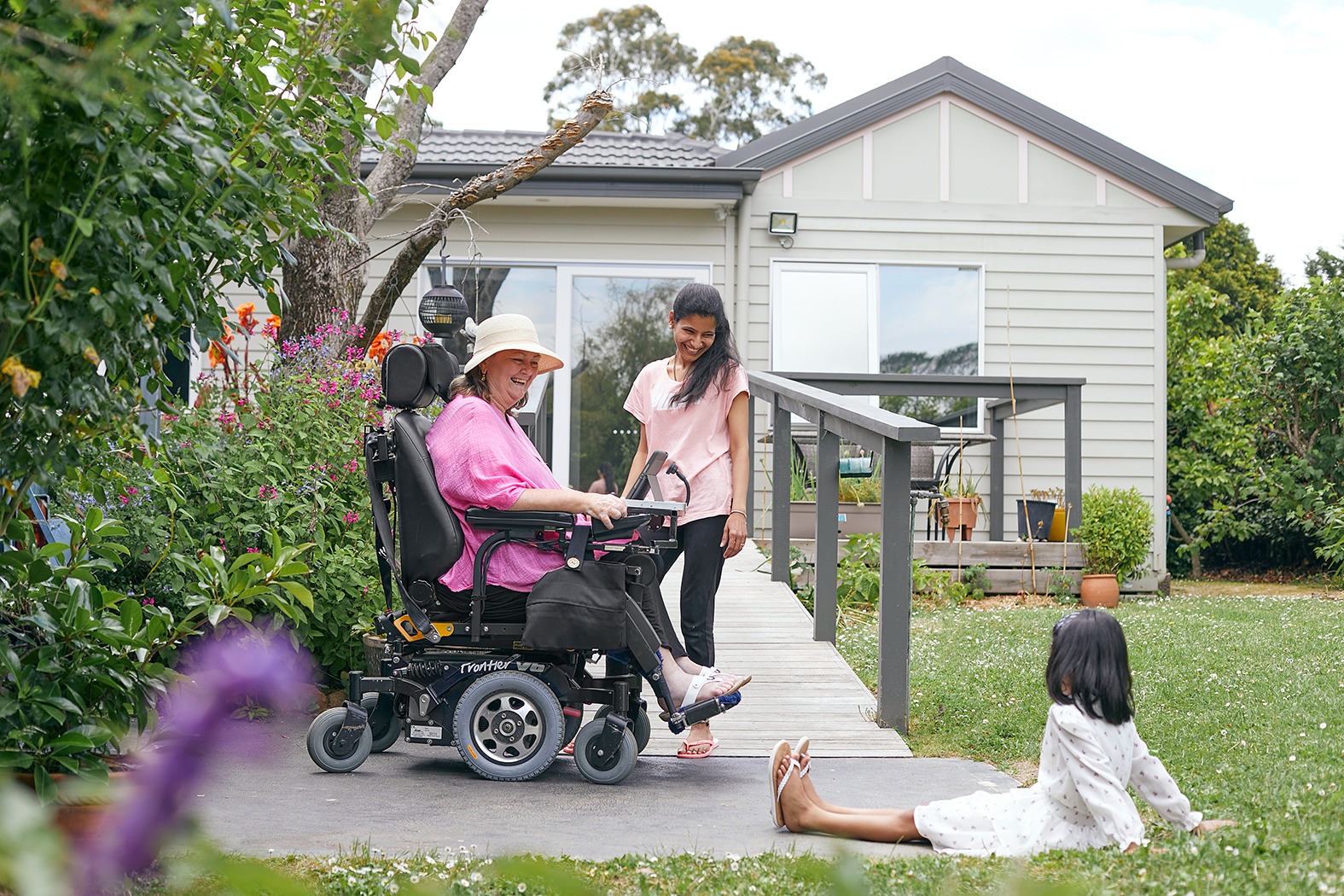
For Victorian families, the logistical cliff of an MND diagnosis is best managed by connecting with support services early. MND Victoria provides expert care and support to people living with MND and their loved ones.
The Role of the MND Advisor
In Victoria, the source of truth for navigating care is your MND Advisor/Support Coordinator. They help guide families through every step of their MND journey, providing ongoing support and advice. MND Advisors help to navigate the service system for people living with MND to ensure that they are linked to services that will meet their needs, and also advocate on behalf of people living with MND and provide information, training and advice to agencies and government departments to ensure that the best possible care and support is available.
MND Victoria highlights several key services:
MND Advisors: Providing face-to-face guidance and coordination.
Equipment Loan Library: Access a wide variety of Assistive Technology to help people living with MND live safer, more engaged and independent lives.
Access and Education: Education sessions to help family and health professionals to learn more about MND, develop strategies to manage common challenges and to ask questions in a safe space.
Preserving Communication and Autonomy
One common symptom that can cause significant anxiety is the loss of speech. Because motor neurone disease often leaves the mind fully capable while the muscles for speech weaken, early intervention is critical.
Voice Banking and Assistive Technology
Health professionals, including speech pathologists and occupational therapists, recommend voice banking. A person can record their voice, catchphrases, and laughter to be used later in digital communication devices.
As MND progresses, an occupational therapist can introduce:
Communication boards: Low-tech point-to cards for immediate needs.
Tablet apps: For text-to-speech.
Eye Gaze Technology: Using infrared cameras to track eye movement, allowing the person to type and speak using only their eyes.
Practical Care
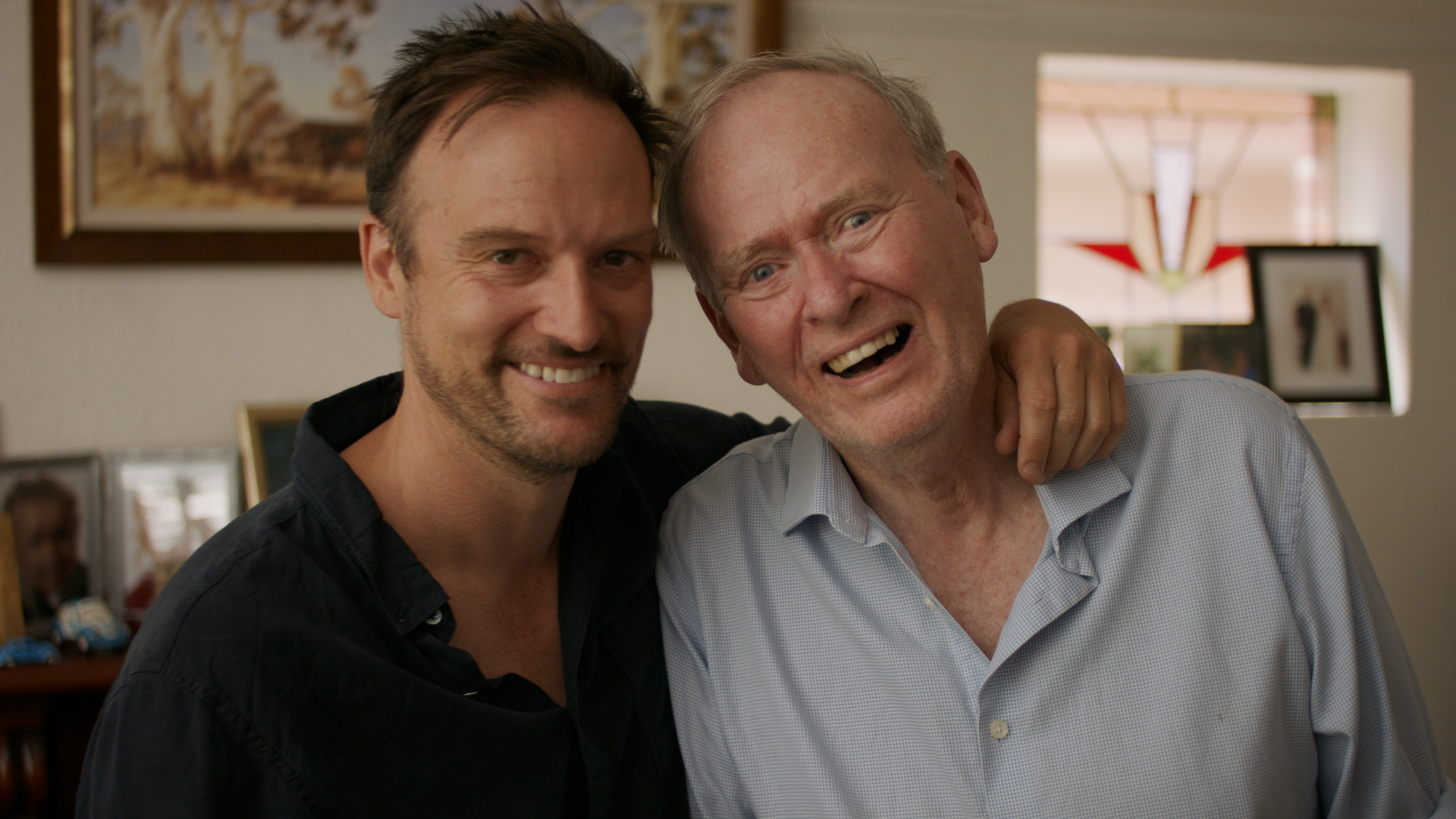
MND presents and progresses differently in each person. No two journeys are the same. As muscle weakness spreads, tasks that were once easier in the past can become major hurdles.
Adapting the Home Environment
Creating a comfortable and safe home environment is essential. Practical support includes:
Home Modifications: Installing ramps, grab rails, and widening doorways.
Pressure Care: Using cushion support and specialised mattresses to prevent skin breakdown.
Respiratory Support: Managing breathing problems or respiratory failure through non-invasive ventilation (NIV).
Supporting the Body
A multidisciplinary team of health professionals will work with the person and their family to find ways of managing symptoms. Some examples of ways they might suggest you can help are:
Monitoring Weight Loss: Preparing puréed or soft foods if swallowing becomes difficult.
Gentle Exercise: Helping maintain strength in unaffected muscles without causing overexertion.
Pain Management: Using gentle massages or keeping legs elevated with elastic stockings to reduce swelling and joint pain from MND.
How to Talk to Someone with Motor Neurone Disease
Research has found that over 50% of people with MND can experience changes in thinking and behaviour. Most people experience relatively mild changes.
However, up to 15% of people living with MND show signs of frontotemporal dementia (FTD). These people may receive a diagnosis of ‘motor neurone disease with frontotemporal dementia’ or MND/FTD.
However, up to 15% may show signs of MND with frontotemporal dementia (FTD).
If a loved one experiences emotional lability (sudden, uncontrollable outbursts of crying or laughing), treat these reactions as symptoms of the disease, not as a reflection of their true feelings. Keep routines consistent and avoid talking over the person as if they aren't there.
How to Help a Friend with MND
Many people ask how they can help someone with MND and then say, “Let me know if you need anything.” This inadvertently puts the burden of management on the diagnosed.
How to help a friend with MND effectively:
Specific Offers: Instead of “Let me know if I can do anything”, say, "I am dropping off a meal on Tuesday."
Coordination: Use a group chat to rotate meal drops, dog walking, shopping, or house cleaning.
Regular Breaks: Offer to sit with the person so the primary carer can take regular breaks.
Supporting the Carer
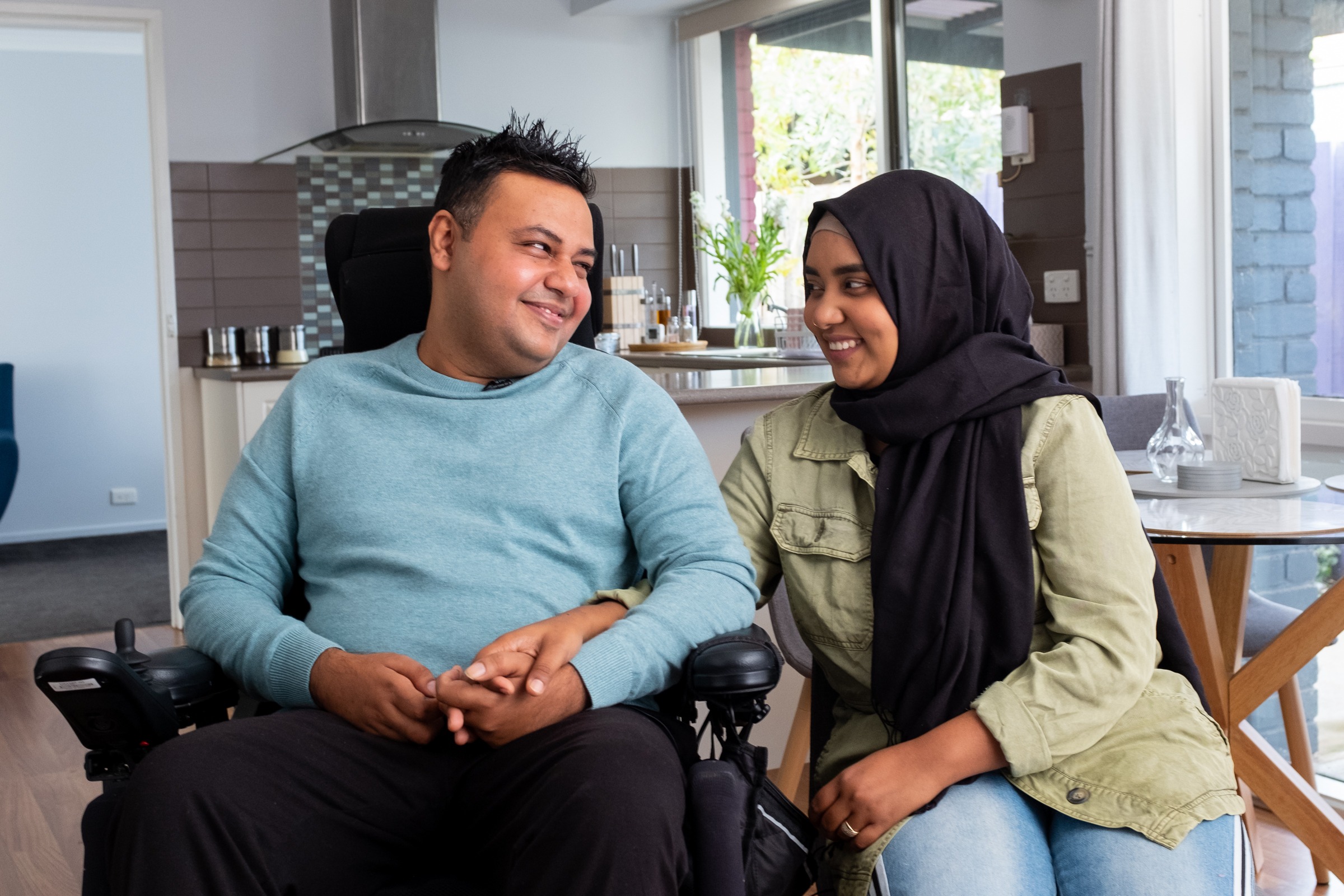
Caring for someone with MND can be overwhelming, hurting a carer's physical, social, emotional, and financial wellbeing. It is imperative not to disregard their own needs.
In Victoria, carers can access:
Carer Gateway: For free counselling, peer support, and emergency respite.
MND Victoria Carer Support: Including wellbeing events and more formal support pathways.
Mental Health Support: Grief often begins long before death (anticipatory grief). Talking about these difficult emotions with a therapist is essential.
The Most Useful Thing You Can Do Next
If someone you love has motor neurone disease, do not wait for the right moment to be useful. How to support someone with MND is an ongoing journey of small, practical actions and consistent emotional support.
Checklist for Immediate Support
Contact MND Victoria: Ensure the family is registered and has an MND Advisor.
Organise the Friends: Set up a roster for everyday tasks.
Start Voice Banking: Record the person telling their favourite stories now.
Prioritise the Carer: Ensure they are registered with Carer Gateway.
Make a Donation: If you are unable to help physically, consider a donation to MND Victoria. Your contribution directly funds the specialised equipment and counselling services that keep Victorian families supported.
MND Victoria is dedicated to ensuring no Victorian has to face this alone. By linking in early, you ensure your loved one can conserve energy, feel supported, and maintain independence for as long as possible.
Share page